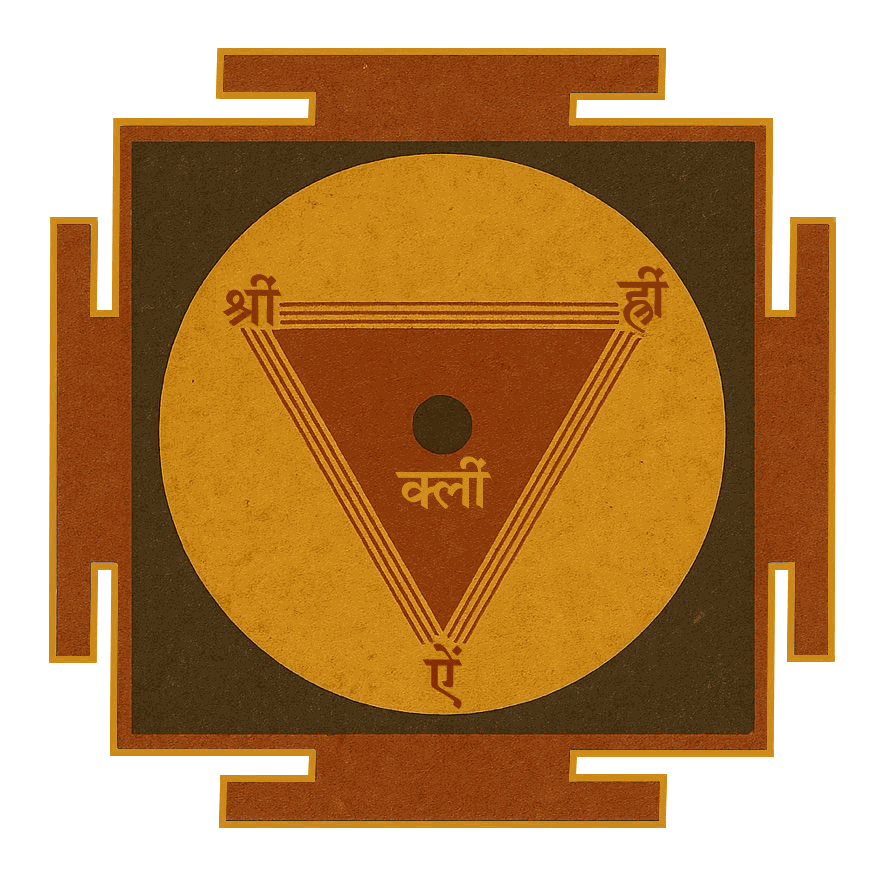
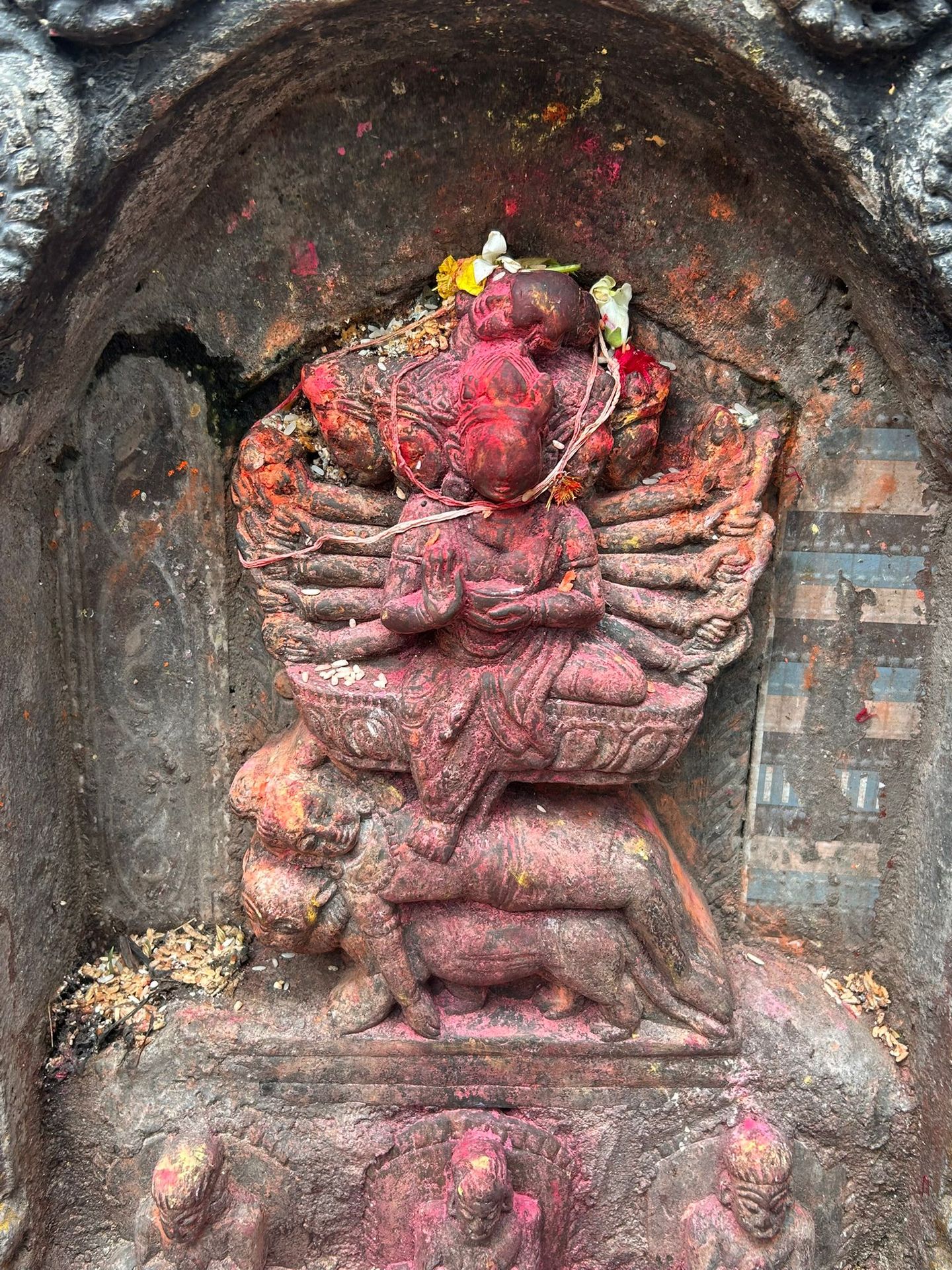
 Located in the city of Guwahati in Assam, India (26.166426°N / 91.705509°E), the Kamakhya Temple along with a network of temples dedicated to the Mahavidyas and other deities denoted as the Kamakhya Temples’ Complex, is the world’s most important, revered and vibrant site among the 51 Shakti Peethas.
The Kamakhya Temple is surrounded by the Temples and Peetha of the 7 Devis of the Dasa Mahavidyas (10 Great Goddesses), other Goddesses, Shivas, Ganeshas, Vishnu, other deities and sacred sites, scattered all over the Kamakhya Temples’ Complex. It is interesting to note that, inside the sanctum sanctorum of the Kamakhya Temple, peethas of three Mahavidyas of the Dasa Mahavidyas are located, i.e. the third Mahavidya Tripura Sundari or Sodasi, the ninth Mahavidya Matangi and the tenth Mahavidya Kamala. The Kamakhya Temples’ Complex is the only sacred site where Temples and Peetha of the Dasa Mahavidyas are located adjacent to each other.
The sacred site that popularly known Kamakhya, actually is a hill system comprising of three segments (i.e. Brahma, Shiva and Varaha hill) referred to in the scriptures mostly as Nilachal and in some scriptures as Kamagiri, Mahagiri, Kamakhya Yonimandala and Kamakuta. Thus, the sacred landscape of Kamakhya Temples’ Complex is a delicately conceptualized and intrinsically interconnected network of peethas, shrines, sacred ponds, other sacred sites, etc. keeping Kamakhya Temple as the focal point.
There is no idol (Murti) in the sanctum sanctorum of the Kamakhya Temple — it is just a stone and flowing water.
There is no idol (Murti) in the sanctum sanctorum of the Kamakhya Temple, it is just a stone and flowing water. The peethas of the other Mahavidyas (except Goddess Tara), Shiva and other Devi are identically similar in nature to that of the peetha of Devi Kamakhya.
Kamakhya as a pilgrimage center for Hindus, Buddhists and practitioners of various streams of Tantrism, has developed a uniquely syncretic religious culture. Millions of devotees from all over the world visit the Kamakhya Temples' Complex every year.
The history of the Kamakhya Temples’ Complex is obscure and inter-mixed with oral history, mythology and legends through the advent of the Koch Kingdom. The story of the creation of the Kamakhya Yoni Peetha or Kamakhya Yonimandala and the story of Naraka (a king of Pragjyotispura) as mentioned in the Kalikapurana and Yoginitantra are significant. Apart from these texts, detailed reference on the Kamakhya Temples’ Complex and its unique religious tradition can also be found in Ramayana, Mahabharata, Puranas, Tantras, etc. Moreover, some references to the unique history and heritage of the Kamakhya Temples’ Complex can also be found in the works of various historians and scholars.
Departments of geo-sciences and archaeology as well as several eminent scholars have suggested that the Kamakhya Temple was originally constructed in the 8th century during the rule of the Pala dynasty in Kamrup. Sir Edward Gait in his book, A History of Assam mentioned that the Kamakhya Temple was originally built during 4th-5th century CE. Another suggestion has also evolved from a radio carbon isotope testing conducted to determine the age of the main temple and the results indicated that the bottom layer of the temple is approximately 2200 years old, and the second layer is around 1500 years old. Thus, we may assume that Kamakhya Temple stood on this site as early as 200 BCE and an attempt was made to rebuild Kamakhya Temple around 500 CE. The Kamakhya Temples’ Complex is mentioned as a famed pilgrimage center in the 8th century Hevajra Tantra, the 9th century Kalikapurana, 16th century Yogini Tantra and 16th Century Kamakhya Tantra.
King Bishwasingha (1515–1540 CE) rebuilt the Kamakhya Temple. It is assumed that the temple rebuilt by King Bishwasingha was destroyed by the invading Muslim commander Kalapahar in 1553 CE. After the destruction, King Naranarayana (1540–1587 CE) started rebuilding the present Kamakhya Temple in 1555 CE and completed it in 1565 CE.
Myths and legends are repositories where important historical information and references are delicately hidden. Hence, the myths and legends can be sensibly used as a tool for unearthing and reconstructing historical truth. In this context, the Kamakhya Temples’ Complex is also not an exception. Numerous myths and legends related to the Shakti Peeth Kamakhya, which are still popular, can be found in different scriptures. Apart from the myths and legends a sizable number of oral legends, folk-lore, narratives, etc. are also related to the Kamakhya. Here are some important myths and legends of the scriptures and oral legends, folk-lore, narratives, etc. associated with Kamakhya Temples’ Complex- The legend of Sati and Shakti Peeth Kamakhya
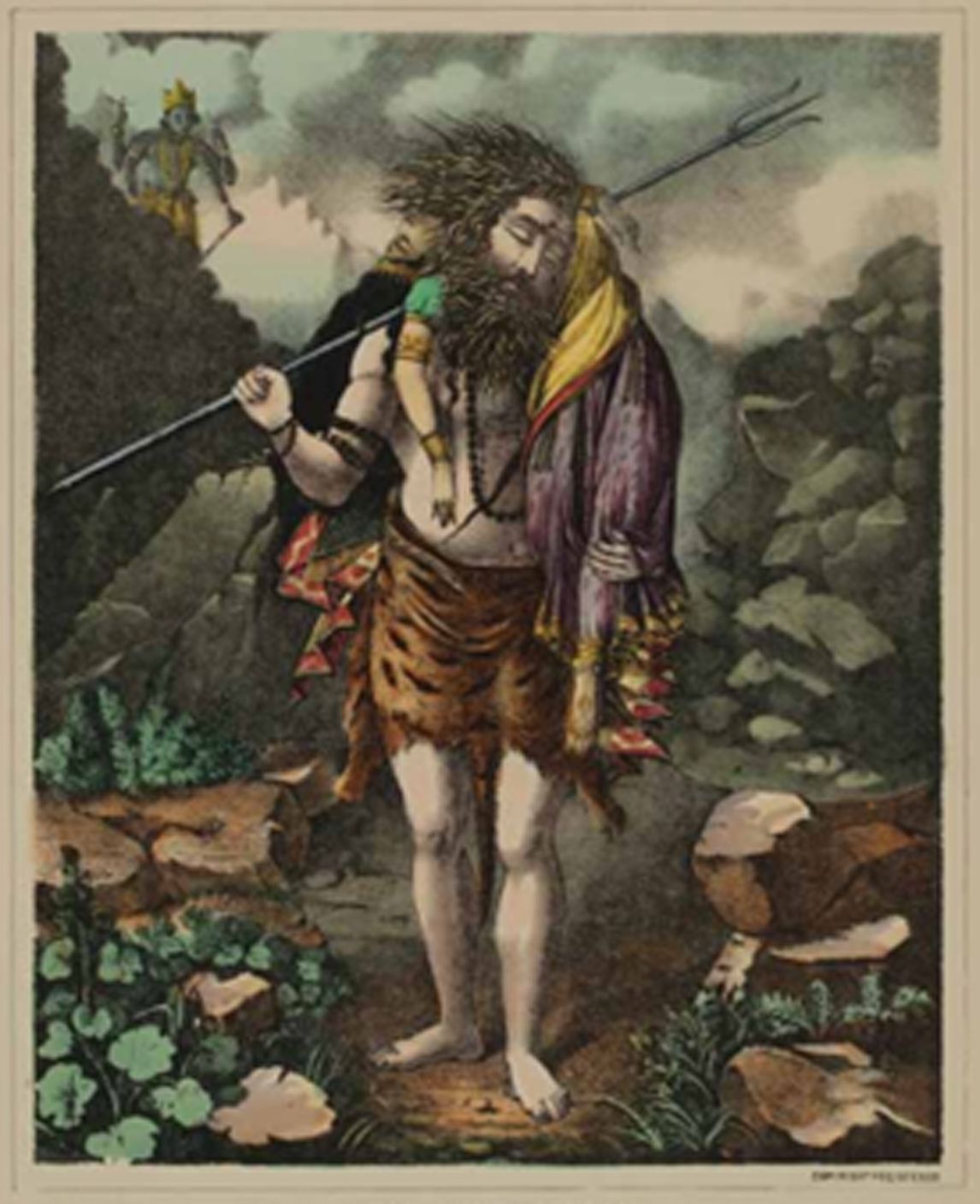 The Kamakhya Mandir is intricately linked with the mythological legend of Sati, the first wife of Lord Shiva and her father Daksha. The legend has been delicately elaborated in the Kalikapurana and according to the myth, King Daksha organized a grand Yagya (fire sacrifice) and invited all the Gods & Kings from the Tribhuvana. As Daksha could not tolerate his daughter’s husband Shiva, he intentionally excluded Shiva and Sati. Sati came to know about the insult and pressed Shiva to permit her to attend her father’s Yagya. When Shiva did not allow Sati to attend the Yagya, in rage, Sati, transformed herself into Goddess Kali. Witnessing the transformation of Sati into Goddess Kali, Shiva was forced permit Sati to attend her father’s Yagya.
Sati’s Yoni (vulva) fell the site of the Kamakhya Temple and the entire site transformed into a Yonimandala, making it one of the most significant and vibrant Shakti Peethas.
Gripped by intense grief of the self-immolation of his consort Sati in the sacrificial fire of her father Daksha, Lord Shiva alienated himself from all activities and went into the state of meditative mourning. Due to this, the creative process of the universe came to a halt and caused great alarm and concern for all the Gods. The Gods then devised a plan to ameliorate this situation and sent Kamadeva (a Cupid), to awaken Lord Shiva again from the state of his meditative mourning so that he can again engage himself in the passion of creation. At this disturbance caused by Kamadeva during the state of his meditative mourning, Lord Shiva became furious and burnt Kamadeva into ashes by the angry glance of his third eye. Shocked by the consequence Rati, the wife of Kamadeva, prayed to Lord Siva to bring back Kamadeva to life. Satisfied with the prayer of Rati, Lord Shiva brought Kamadeva back to life with all his original grace and beauty. However, Lord Shiva put one condition for restoring Kamadeva to his former self. If Kamadeva and Rati erect a temple on the Nilachala (Kamakhya) where the Yoni of Sati fell, only then he would restore Kamadeva’s life. Rati readily agreed to do so. After Kamadeva got his life back, according to the promise made by Rati, Kamadeva erected the Kamakhya Temple with the help of the celestial architect Visvakarma on the Yoni of Sati on the Nilachala (Kamakhya).
Thus, from this mythological legend we get the information that, the original temple of Kamakhya surrounding the Yoni was built by Kamdeva with the help of Biswakarma, which has become a symbol of great veneration and is regarded as a source of divine power and influence. As per the scriptures the Kamakhya temple built by Kamadeva was covered in stone sculpted images of the sixty-four Yoginis and eighteen Bhairavas.
Though, there is no historical evidence or basis of this mythological legend on the origin of the structure of Kamakhya temple, we can assume that the temple is of great antiquity. While, interestingly, as symbolic evidence of the event, a statue of Biswakarma is still present in front of the northern gate of the Kamakhya Temple. Furthermore, a temple dedicated to Biswakarma where regular worship is performed is also present at the southern part of the foothills of Kamakhya (near the stone pathway).
Naraka holds a prominent place in the pre-historic period of Pragjyotishpura (later known as Kamrup and then Assam). Naraka appears in Ramayana as the lord of Pragjyotispura, and a friend of king Ravana. In the Mahabharata, he is depicted as a Danava, the son of Danu. The Kaurava prince Duryodhana married Bhanumati, the daughter of Naraka’s son Bhagadatta and he was an ally of the Kauravas in the Kurukshetra War.
Naraka ruled Pragjyotishpura. He was a good ruler and strictly adhered to the injunctions of his father and worshipped the Devi Kamakhya very devotedly. Devi Kamakhya was satisfied with the dedication of Naraka and one day, She appeared before him. Seeing her unparalleled beauty and charm, Naraka got totally captivated and proposed to marry her. Instead of getting enraged, the goddess gave her consent to Naraka, with a condition. If Naraka constructed a temple, a tank and a masonry road (stone pathway) from the foot of the hill on the western side of Kamakhya near the banks of the river Brahmaputra to the top of the Kamakhya Hill within a single night before the dawn, only then would She marry him. Since the desire to marry the beautiful goddess grew so strong in him, Naraka accepted the proposition and started the mighty task immediately. As he almost completed the construction, the goddess made a cock crow, declaring the daybreak. The break of dawn signaled the end of the time which was given to Naraka to complete the task. Devi Kamakhya therefore refused to marry Naraka.
Historical evidence of existence of Naraka is a subject of debate because of the fact that, information related to him appears only as legends in the scriptures like Harivamsa, Kalika Purana, Yogini Tantra, Mahabharata, Ramayana, etc. On the other hand, as mentioned in the legend, the masonry road or stone pathway (said to be built by Naraka) from the foot hill of the Kamakhya on the western side near the banks of the river Brahmaputra to the top of the Kamakhya Hill still exist.
Naraka became very powerful with the blessings of the Devi Kamakhya. Puffed by the power that he attained through his sincere and dedicated worship of Devi Kamakhya, Naraka became egoistic and arrogant. Gradually, he came under the influence of his friend King Bana of Sonitpur (present Tezpur) who was a dedicated Saivite. In his company Naraka developed Asura (demonic) qualities and transformed into an arrogant, unkind, intolerant and ill-mannered human being. In the meantime, the great sage Vasistha visited Nilachala (Kamakhya Hill) to worship Devi Kamakhya, but the arrogant Naraka denied entry into the temple to the sage. An enraged sage Vasistha cursed Naraka and declared that from then on Devi Kamakhya would be worshipped according in the Vamachara (left-handed Tantra Marga) tradition and she would disappear from his kingdom and without her protection he would be diminished. Sage Vashistha even vowed to remain in Kamrup till Naraka is destroyed and established an Ashram at Sandhyachala.
Though it is difficult to establish the legend in context of historical facts, the ashram established by Sage Vashistha in Sandhyachala still exists as “Vashistha Ashrama” in the Beltola area of Guwahati.
According to this legend, Devi Kamakhya transformed herself daily into a beautiful woman and danced in tune to the music of the chief priest Kendukalai, within the closed doors inside the garbhagriha of the Kamakhya Temple during the Aarati (evening prayer). The Koch king Naranayana who used to patronise the temples somehow came to know about this occurrence and with a desire to witness the dancing Devi Kamakhya, requested the chief priest Kendukalai to make the necessary arrangements. The priest being aware of the consequences of this endeavour initially rejected the request of the king. But eventually, due to immense pressure from the king and in fear of getting ousted as a priest, he finally accepted the request. Priest Kendukalai made a hole in the wall of the garbhagriha of the temple and instructed the king to peep through the hole from outside during the occurrence of the event. On that day, as the king was about to peep through the hole, Devi Kamakhya immediately came to know about the mischievous plan of the priest and the king. Enraged by this treacherous act of the priest and the king, Devi Kamakhya beheaded priest Kendukalai and also debarred the king from visiting the Kamakhya Temples’ Complex forever. Devi Kamakhya even warned the king that, along with him all his relatives and future descendants must not visit the Kamakhya Temples’ Complex and if they did so she cursed that the dynasty would vanish without a trace from the earth. To this day, descendants of the Koch royal family pass by the hill under the cover of umbrellas.
This legend provides information about the involvement of the Koch king Naranayana (1540–1587 CE) with the Kamakhya Temples’ Complex and thus justify the fact that the king rebuilt the Kamakhya temple during his reign in 16th Century AD. Since then, no descendant of Koch Dynasty visits Kamakhya Temples’ Complex till today.
 Introduction
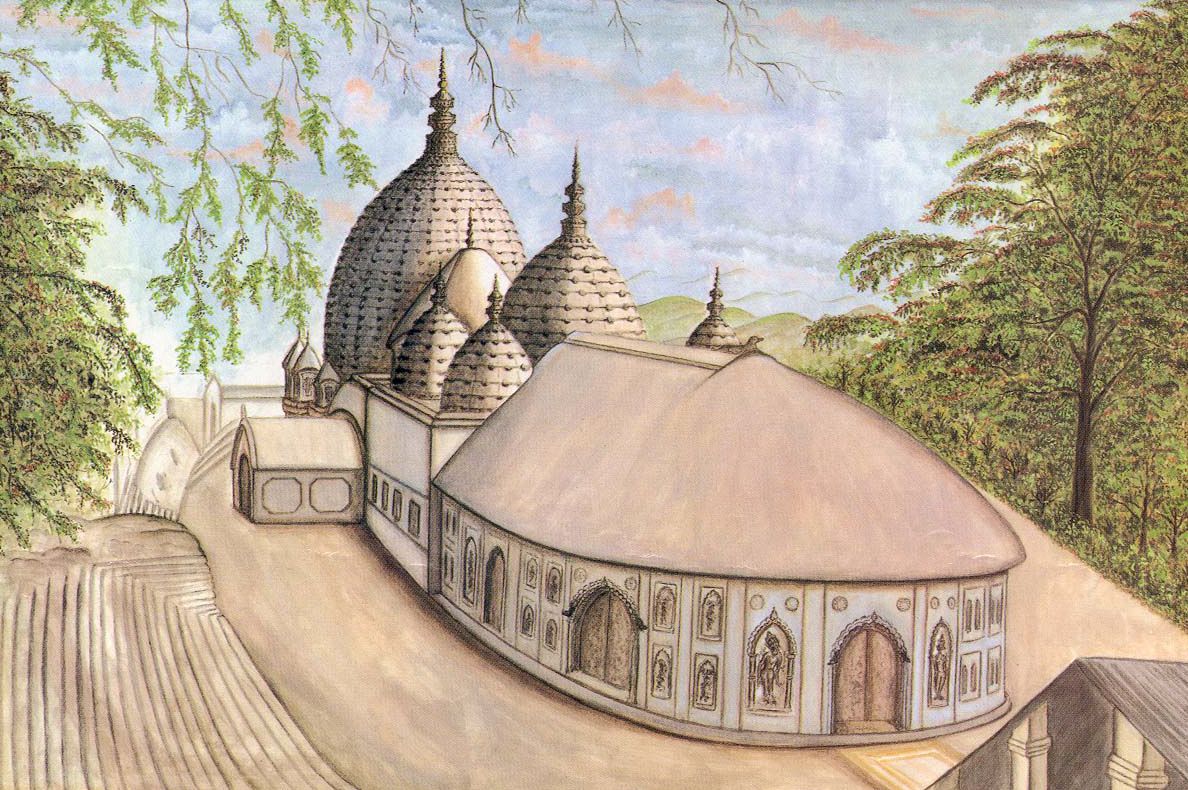
The land of Kamrup, characterized by its beautiful landscape of hills and wetlands, the mighty river Brahmaputra, rich natural resources and the lush vegetation has played an important role in the history and evolution of a unique religious tradition and culture that flourished here. In the Guwahati area of this Kamrup, on the Nilachala hills (Kamakhya Hill), peetha of the Devi Kamakhya is located, surrounded by the Mahavidyas, other Goddesses, Pancha Shivas, Mahakala & Dwarpala Ganeshas, Vishnu, other deities, sacred ponds and numerous sacred sites, scattered all over the hill. This makes the Kamakhya Hill a sacred complex of several temples and hence, use of the phrase Kamakhya Temples’ Complex of Nilachala hills instead of just Kamakhya is more appropriate for a better understanding of the site.
Devi Kamakhya in the form of one of the Dasa Mahavidyas is worshipped as Tripura Sundari or Sodasi. Devi Kamakhya is also called bhagavati, who possesses bhaga or the yoni, the creative force and worshiped in the form of a rock (the peetha) inside a dark cave (the garbhagriha), perpetually wet from a stream of water.
The place that popularly known as Kamakhya, actually is a hill system comprising of three segments (i.e. Brahma, Shiva and Varaha hill) referred to in the scriptures as Nilachala, is also referred variously as Kamagirii, Mahagiri, Kamakhya Yonimandala and Kamakuta.
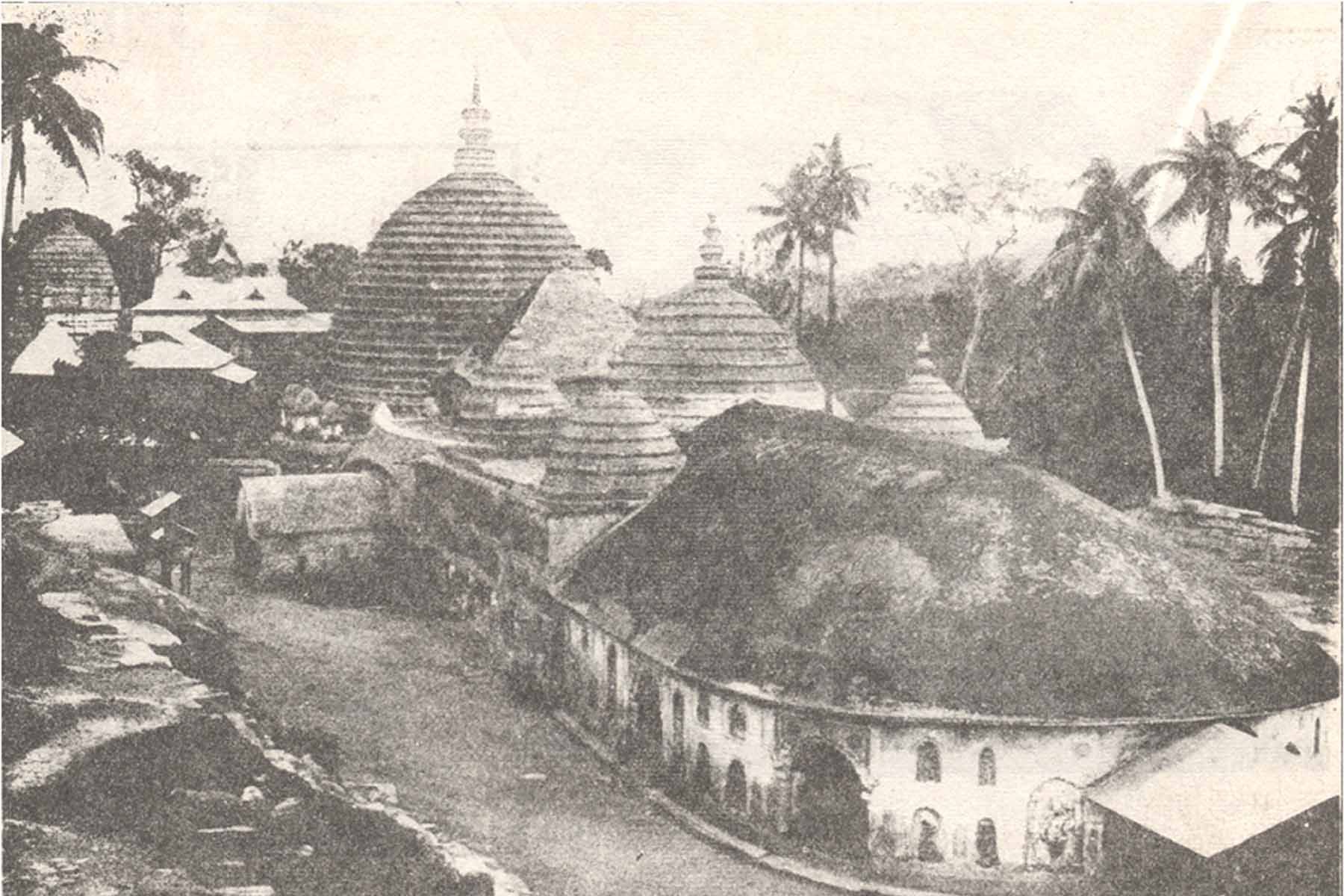 The history of Kamakhya Temples’ Complex is obscure and inter-mixed with inadequate historical records, oral history, mythological texts, legends, folk-lore, etc. till the advent of the Koch Kingdom. The mysticism surrounding the worship of the goddess Kamakhya has also lent a mysterious aura to the whole region and various social norms have sprung up which are quite distinct in comparison to the rest of the country.
The countless pieces of sculpted stone that are lying scattered all over the Nilachal hills bear mute testimony to the beauty of the original stone temple of Kamakhya. As per the scriptures the main temple was covered in stone sculpted images of the Sixty-Four Yoginis and Eighteen Bhairavas. Maybe, owing to disputes, the ravages of time and natural calamities only the base of the original temple of Kamakhya survived till it was rebuilt in 16th Century AD.
Mythologically, Krishna crowned Naraka as the king of Pragjyotisha and also assigned the responsibility of looking after the worship and maintenance of Devi Kamakhya and Nilachala to him.
Historical evidence of existence of Naraka is a subject of debate because of the fact that, information related to him appears only as legends in the scriptures like Harivamsa, Kalika Purana, Yogini Tantra, Mahabharata, Ramayana, etc., while some scholars suggest that, the reign of king Naraka could be from 2200-2169 BC. Hence, we may arrive at a cautious conclusion that, king Naraka possibly existed and the Kamakhya temple was shining with pride and glory during 2200 BC on the Nilachal Hills.
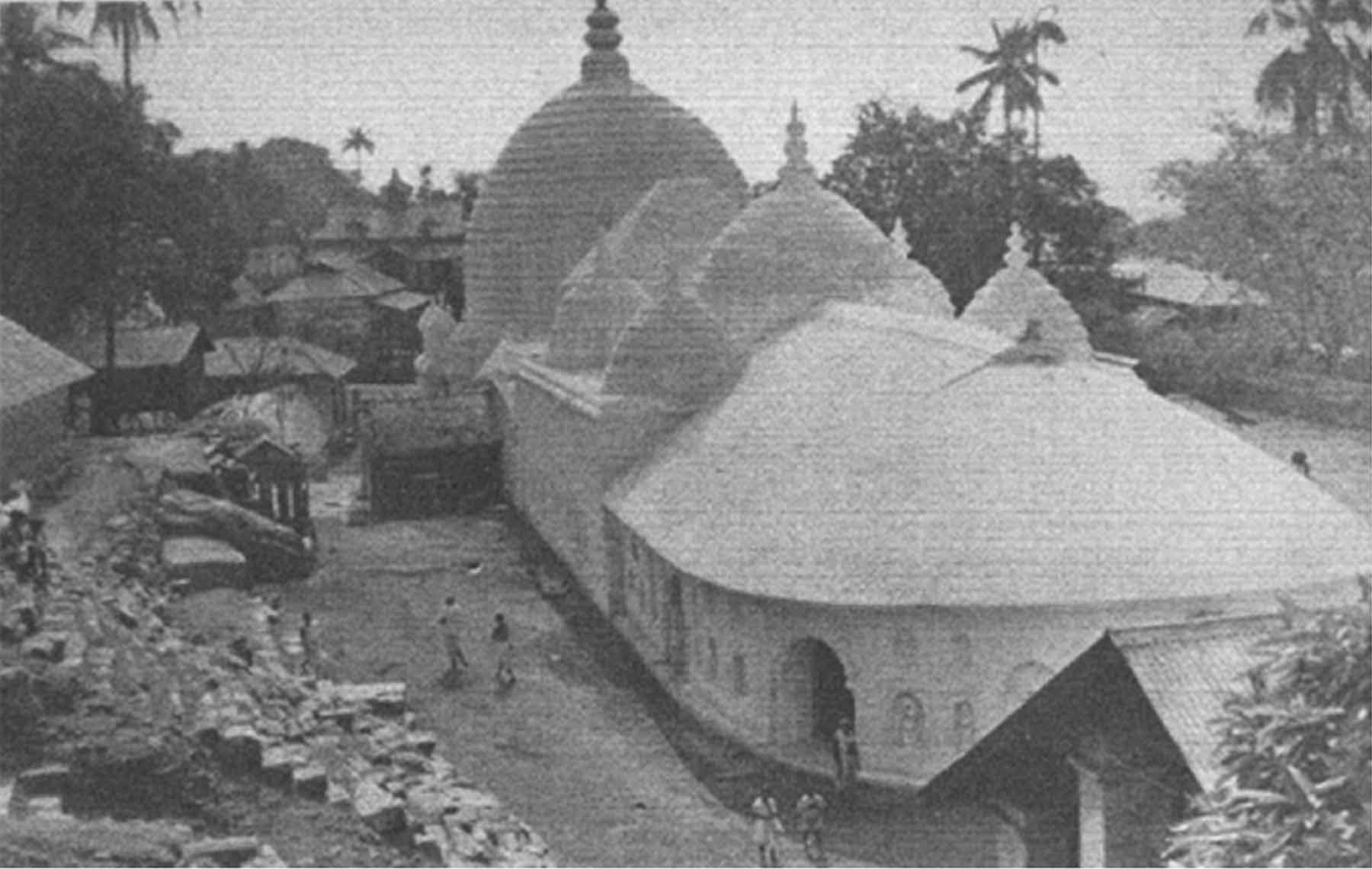 The earliest traceable reference of Kamakhya temple can be found in various sections of the epic Mahabharata (300 BCE-300 CE). In one section of the Mahabharata, it is mentioned that, the Pancha-Pandavas after the years of agyatavas (a period of unidentifiable living during the exile), came to Nilachala, took their ceremonial bath in the river Lauhitya (river Brahmaputra) and worshipped Goddess Kamakhya to regain their lost kingdom. There is a sacred site named Pandunath located in the north-west direction of the Nilachala hills on the banks of the river Brahmaputra where the Pancha-Pandavas camped during their visit to Kamakhya Temple. Near Pandunath, a site still exists named Pancha-Pandava, which bears the testimony of the visit of the Pandavas.
According to some published documents, the Kamakhya Temple existed on the Kamakhya Hill during 4th-5th Century AD. The analyse of this fact, Umachala Rock of Kamakhya Temples’ Complex Inscription can be taken into consideration. The Umachala Rock Inscription dates back to 5th Century AD and it records that records that, a cave temple was constructed by king Surendraverman. Based on the analysis of the structural remains of the Kamakhya Temples’ Complex and historical materials, some scholars have suggested that the Kamakhya Temple dates back to 7th-8th Century AD and that the of some of the temples of the Mahavidyas and Pancha-Shiva dates back to 10th-11th Century AD.
The department of Geo-sciences, Gauhati University (Reported by B.P. Duara, 2003) conducted a radio carbon isotope age determination exercise on the Kamakhya temple. The result of this scientific exercise revealed that there are two layers below the floor of the Kamakhya temple. The radio carbon isotope test of the layers shows that, the bottom layer is 2200 years old and the second layer is 1500 years old.
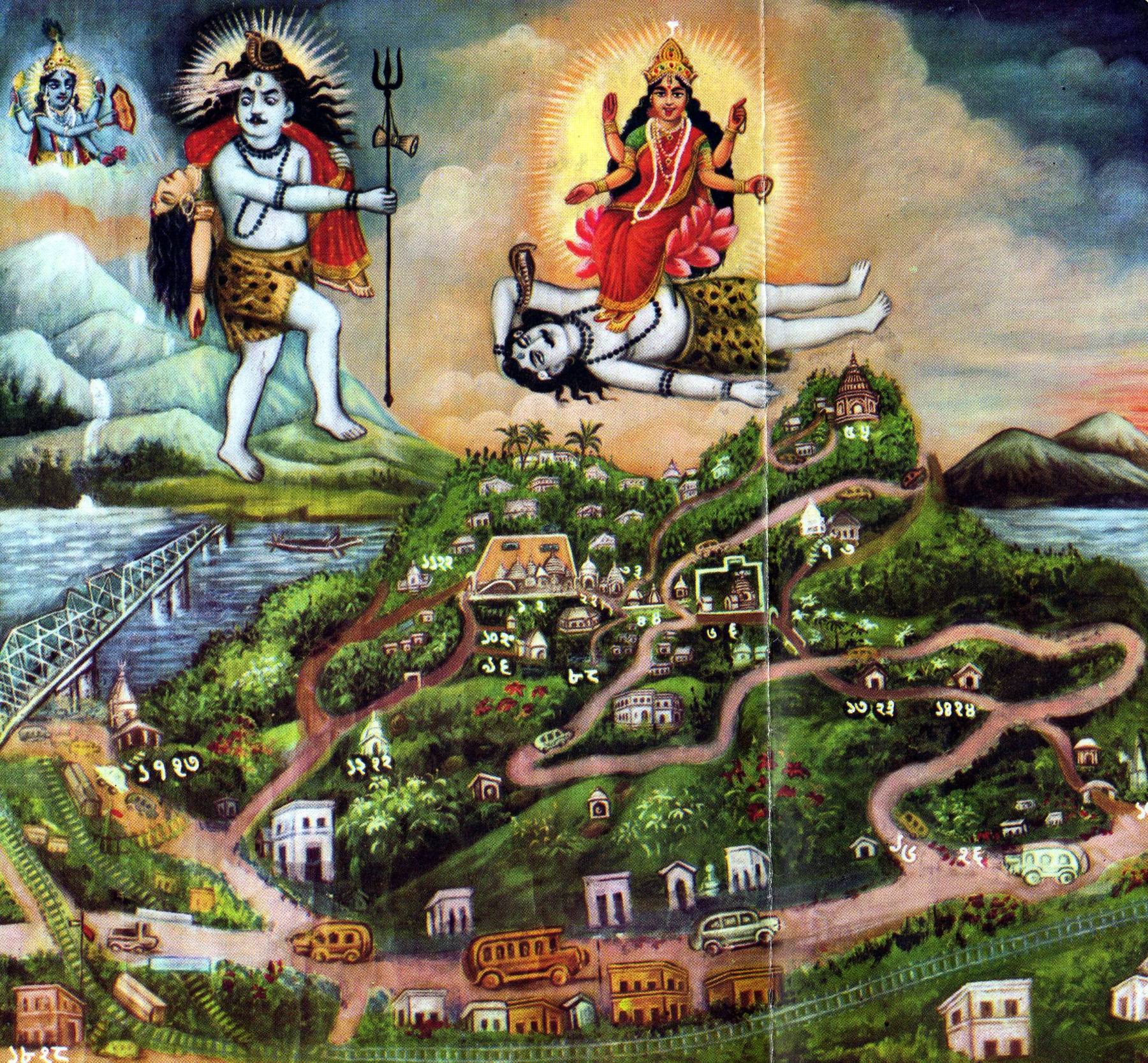 This scientific experiment provides significant evidence that the Kamakhya temple is more than 2200 years old. Thus, based on the outcome of this scientific exercise it can be accepted that, a temple stood on this site as early as 200 BC, and an attempt was made to rebuild or renovate the temples’ complex around 5th Century AD.
As per historical information available from some published documents, Biswasingha (1515–1540 AD), the first king of the Koch dynasty re-built the upper part of the original temple at Kamakhya. After re-building the temple by Koch king Biswasingha, as per a narrative, in 1553 AD, the temple was destroyed by the invading Muslim commander Kalapahar in his crusade against Hindu temples.
The upper part of the temple remained dismantled till mid-16th Century AD. King Naranarayana (1540–1587 A.D.) of the Koch dynasty started rebuilding the present temple in 1555 AD and completed it in 1565 AD. King Naranarayana engaged architect Meghamukdam and as per available information, he tried to rebuild the dome twice with the original stone blocks, but failed. Finally, Meghamukdam built the dome in the shape of a beehive with bricks. Under the rule of the Ahom dynasty during the 17th-19th century AD, the Kamakhya temple and surrounding temples’ complex expanded and flourished, with a considerable number of temples re-built, constructed and renovated for the Mahavidyas, various forms of Shiva, Ganesha and other deities during this period.
The Kamakhya Temples’ Complex is one of the world’s most important sites of goddess worship. As a pilgrimage center for Hindus, Buddhists, and practitioners of various streams of Tantrism from time immemorial, a uniquely syncretic religious culture has developed in the Kamakhya Temples’ Complex. The rituals and festivals celebrated at the Kamakhya Temples’ Complex are distinctive and unique and are the result of hundreds of years of socio-cultural and religious evolution, assimilation and syncretism. The current tradition, with the systems of homa (oblations), puja (worship), kriya (rituals), bali (sacrifice), and associating of natural elements represents a complex negotiation between orthodox and heterodox systems and the practices are held in balance by the Sevaits (servitors), the ancestral community that resides at and serves the temples of the Kamakhya Temples’ Complex.
The daily religious and ritualistic schedule of the temples of the Kamakhya Temples’ Complex starts in early in the morning and ends in the evening. The system of Puja / Ritual is exclusive to temples of the Kamakhya Temples’ Complex. The essence of the religious and ritualistic system and tradition of Kamakhya Temples’ Complex is its practical approach and rhythmic style of the Puja / Ritual dominated by the Kulacara Tantra Marga (a tradition within the Vamacara Tantra Marga).
The unique system of worship, rituals and festivals of the Kamakhya Temples’ Complex have evolved, developed, and taken shape since very ancient period, which is difficult to determine. Rooted in the rich history of yoginis, siddhas, saints, and kings, the socio-religious system and traditions have been maintained within the familial, ritualistic and initiatory lineages of the Sebaits for many centuries. The process still continues through careful and consistent maintenance, constant research, and practical application of the elements of the tradition, much of which is necessarily kept secret to maintain its sacrality and power.
The socio-religious systems and related traditions of the Kamakhya Temples’ Complex are by nature very tolerant and secular. All devotees, irrespective of caste, creed, belief, nationality, ethnicity, gender, or religious affiliation, are allowed to enter the sanctum sanctorum of all the temples of the Kamakhya Temples’ Complex for darshan and worship. All devotees are encouraged to touch the Peethas of the temples and offer their prayers.
The Architecture of Kamakhya Temple and the network of temples of the Kamakhya Temples’ Complex is a fusion of Nagara and indigenous style of Temple Architecture. The Kamakhya Temple is cruciate ratha type of Bada upon which a polygonal bulbous dome called Garbha Griha, Chalanta, Pancha Ratna, Nat Mandir are strategically placed. The outer walls of the elevation of the is delicately ornamented by stunningly beautiful sculptures. This development of the hybrid style of Architecture continued from the Kochi Kings to the Ahom kings of Assam.
.jpg) Structural Components of Kamakhya Temple
Structural Components of Kamakhya Temple
The structural composition of the Kamakhya Temple is- Garbha Griha, Chalanta, Pancha Ratna, Nat Mandir. There are 3 access gates to the Kamakhya Temple- North Gate (Shakti Smridhi Dvara), West Gate (Moksha Dvara) and West Gate (Anpurna Dvara). The Bhog Ghar (Temple Kitchen used for ritualistic purpose is adjacent to Annapurna Dvara and Bhoga (cooked items are offered to the deities residing inside the Chalanta and Garbha Griha) is taken through this gate.
Apart from the above, there are to access gates to the Kamakhya Temple campus. In the east, the Bhag Dvara (Tiger Gate) and in the west, the Simha Dvara (Lion Gate). Both these gates are decorated with beautifully carved sculptures.
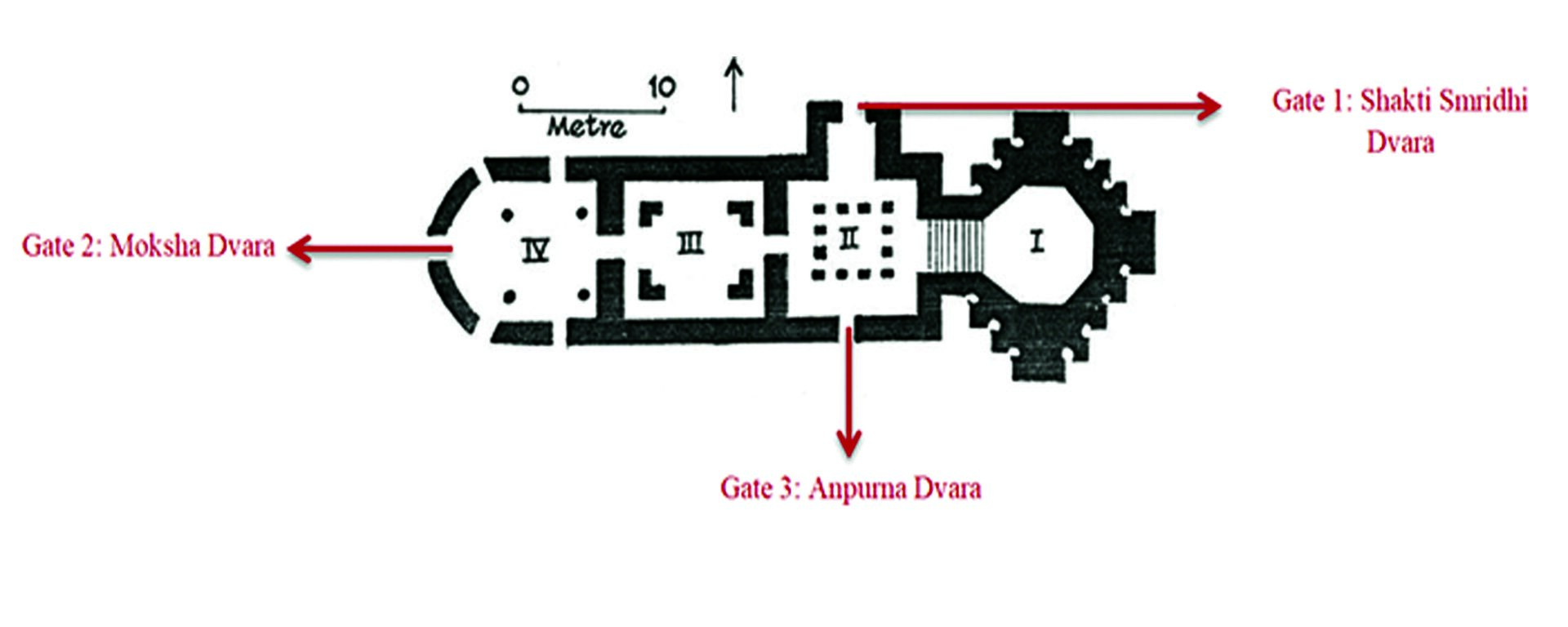 Structural Plan of Kamakhya Temple Temple
Description of the Structural Components of Kamakhya Temple
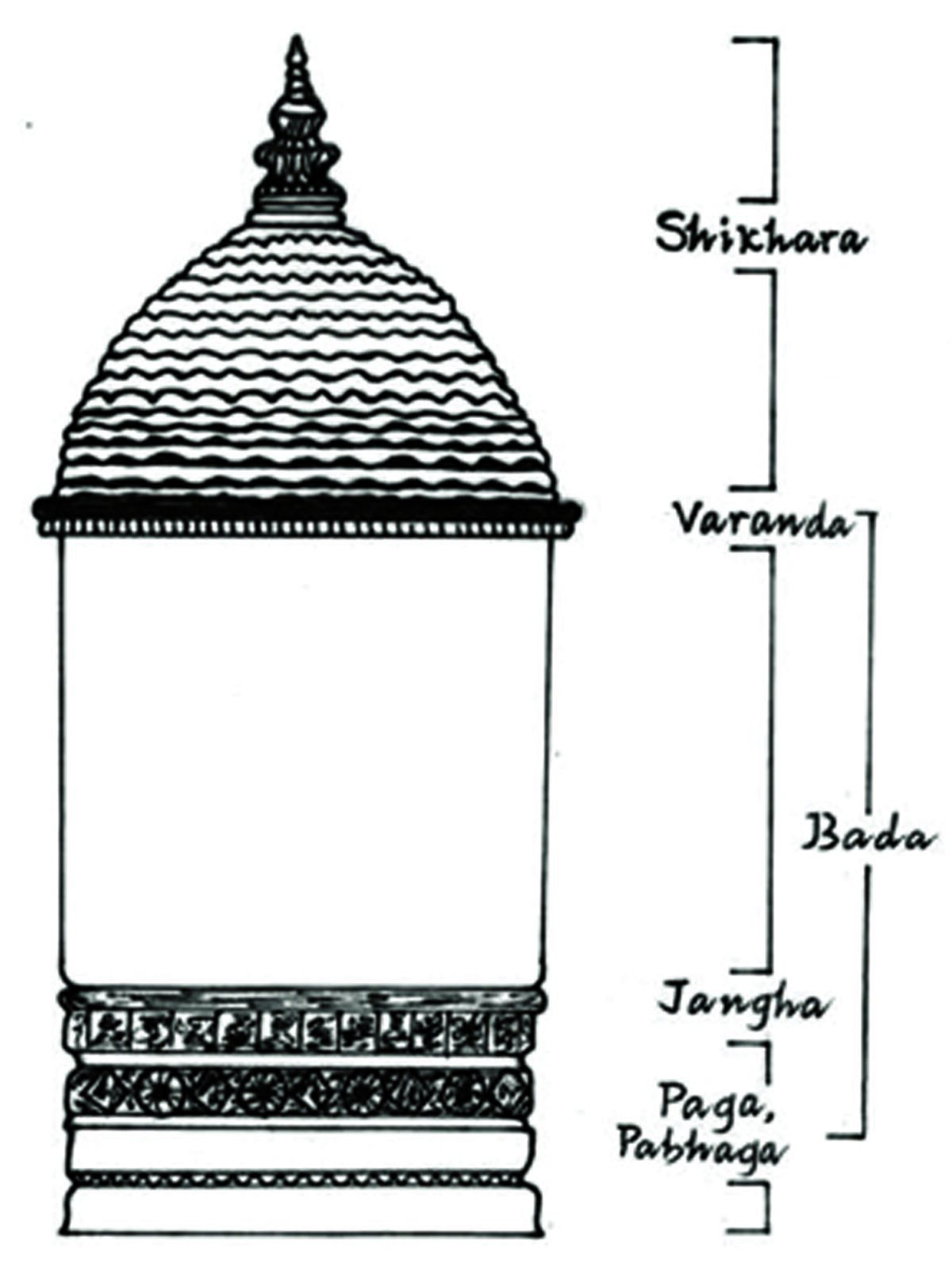 Garbha Griha
The Garbha Griha houses the Peetha of Devi Kamakhya (Devi Tripura Sundari), Devi Matangi (Devi Saraswati) and Kamala (Devi Lakshmi) the main deity. The Garbha Griha is a small cave like dark space bellow the ground level with a narrow stone stair from the Chalanta area.
Chalanta
The Chalanta hall houses the movable idol of Devi Kameshwari & Kameshwara in a Simhasana, Batuk Bhairava, stone inscriptions of King Naranayana and Chilarai and other curious sculptures. Chalanta hall in built on 12 pillars at the centre arranged in a rectangular manner. The east gate of the Chalanta hall connects the Garbha Griha, the west gate connects Pancha Ratna and the north gate makes a way to the sacred Saubhagya Kunda. The roof of the Chalanta hall has domelike structures identical to the Shikhara of the Garbha Griha.
Pancha Ratna
Pancha Ratna hall is square chamber alike Chalanta. Pancha Ratna houses the idol of Devi Chamunda, alter of Devi Manasa and the walls are adorned with curious sculptures. The ceiling of the hall is supported by four structures which resembles a wall-like formation. On the roof, there are five Shikharas kind of domes structure, four in the corners and one in the middle of the hall. There are two gates in the Pancha Ratna hall, the east gate connects with Chalanta and the west gate connects Nat Mandir. Pancha Ratna is used for performing ritualistic events.
Nat Mandir
Nat Madir has an apsidal frontage and a ridged roof similar to Ranghar complex of the Ahom Kingdom located in Sivasagar. Technically, the roof of Nat Mandir is known as Gajapristha (Elephant back). On the western tip of the roof there is a Dragon like sculpture which can be found in some other structures built by the Ahom kings. Nat Mandir has six gates with significant width and the Dragon like terracotta sculpture can also be seen on upper side of the walls of each gate.
On both sides of the wall of the eastern gate of the Nat Mandir life sized idols of Devi Durga and Lord Shiva can be seen and the other walls are decorated with interesting sculptures. Also on both sides of the floor of the eastern gate of the Nat Mandir there are two huge stone platforms and looking at the inner construction and location these stone platforms, it can be understood that, the space of the Nat Mandir was used for performing ritualistic music, devotional songs and dance performances. In fact, the space of the Nat Mandir is still used for the annual Debaddhani Ritualistic Dance Festival.
he most important scriptures or texts related to Kamakhya Temples’ Complex of Nilachala hills are as follows:
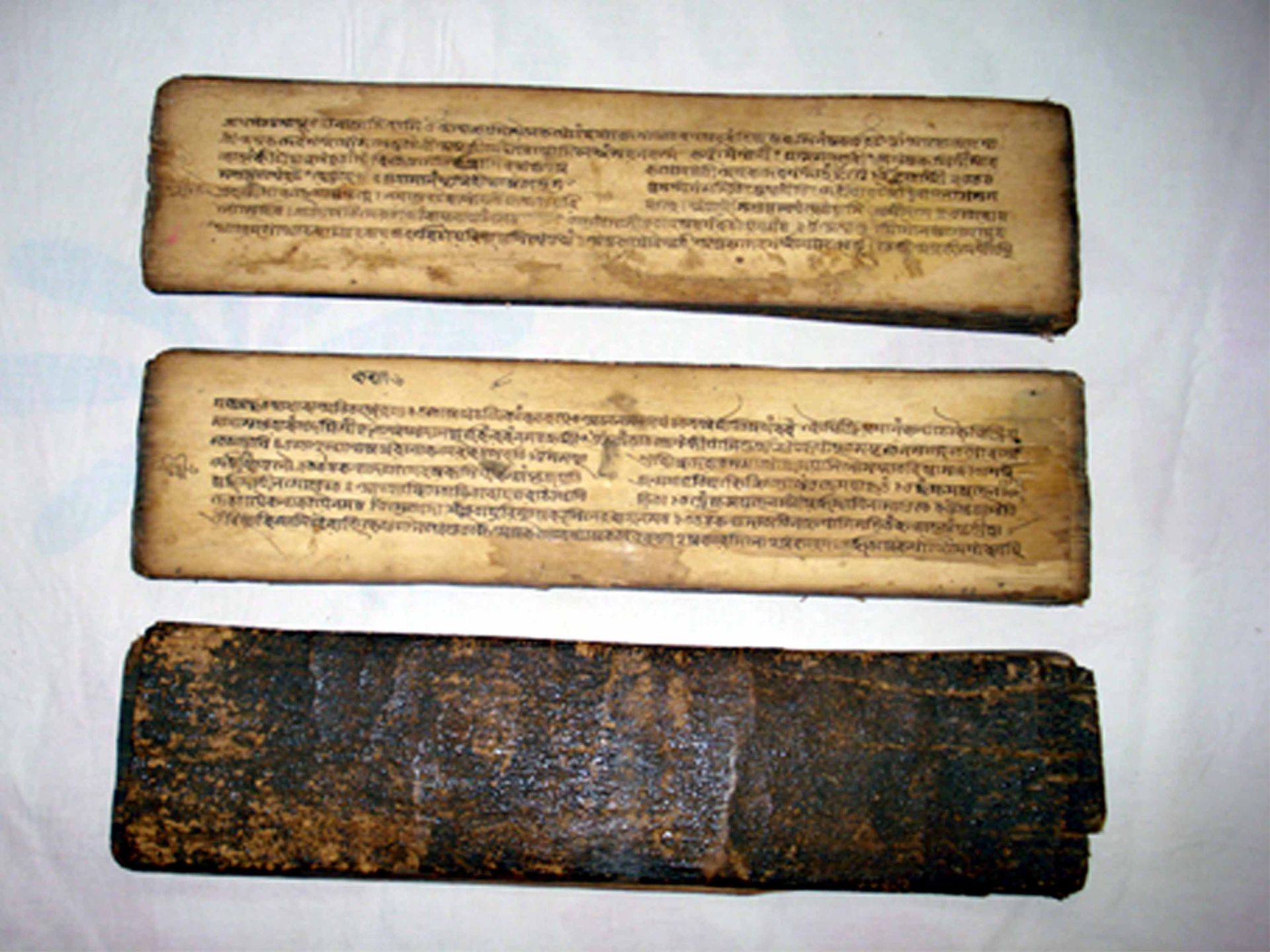 Kalikapurana(Compiled during 9th Century CE) contains elaborate details on Kamakhya Temples’ Complex and Kamrup.
Yogini Tantra (Compiled during 16th Century CE) contains elaborate details on Kamakhya Temples’ Complex and Kamrup.
Kamakhya Tantra (Compiled during 16th-17th Century CE) contains elaborate details on Kamakhya Temples’ Complex.
Kamrupiya Nibandha Tantra (compiled during 16th Century CE) contains elaborate information on Kamakhya Temples’ Complex and Kamrup.
Kamarupa Yatra Paddhati (compiled in 1835 CE) contains detailed information on Kamakhya Temples’ Complex and different sacred places of Kamrup.
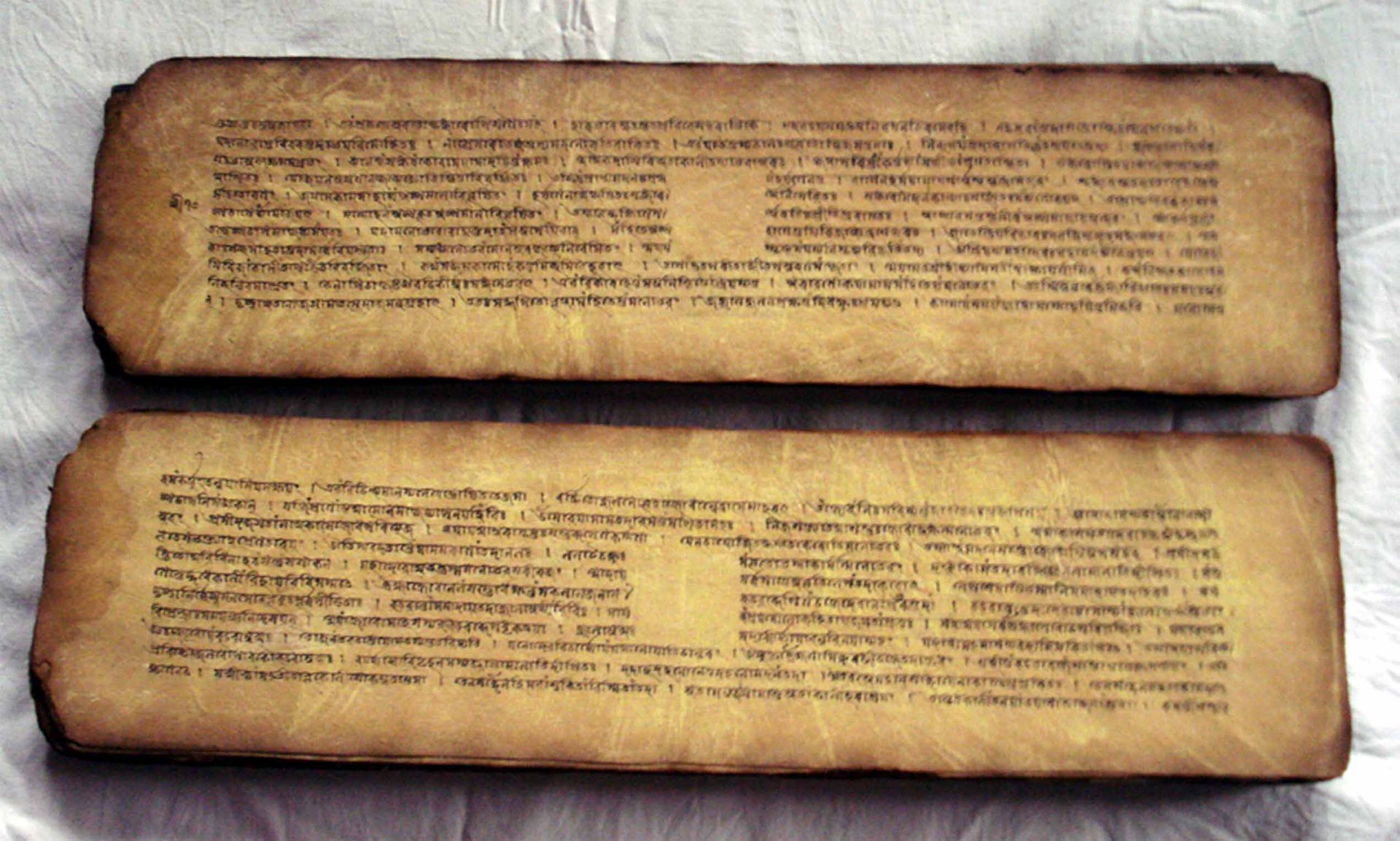 Harivamsa (compiled as a supplement to the Mahabharata during 1st-2nd Century BCE) contains myths and legends associated with Naraka.
Ramayana (Compiled during 8th-4th Centuries BCE) contains details about Naraka and information on Rama, Sita and Laxmana visiting Devi Kamakhya Temple during the period of Agyatavasa.
Mahabharata (Compiled during 3rd Century BCE to 4th Century CE) contains information on the Pancha Pandava visiting Kamakhya Temples’ Complex and offering Puja to Devi Kamakhya during the period of Agyatavasa before the start of the Kurukshetra War.
(The original copies of Kalikapurana, Yogini Tantra, Kamrup Yatra Paddhati and digitized copy of Kamakhya Tantra, Kamrupiya Nibandha Tantra is in possession of the Foundation)
The most important aspect of Kamakhya Temples Complex is the tradition of the Sebaits (servitors) who are inseparable part of the ritualistic, socio-religious and socio-cultural tradition of Kamakhya Temples Complex. There are clear historical evidences available that the ruling dynasties of Pragjyotishpura, Kamarupa and the Ahom Kings who worshiped and patronized Kamakhya brought selected persons from various parts of India to serve and take part in the elaborate religious, ritualistic and ceremonial duties of the Kamakhya Temples Complex. All the Sebaits offer their sincere and dedicated services towards the proper management of the religious tradition (worship/ritual/festivals) as well as other affairs related to management of Kamakhya Temples Complex since they were brought here.
The system of distribution of duties / services / responsibilities of the Sebaits is called Pali or Pala which rotates within the families of a particular group of Sebait based on their duty and responsibility. According to the system, a particular family of a particular group of Sebait offers their services for a particular day or duration and then vacates in favour of another family of the same group of Sebait. This rotation system and has been documented as per the Hindu calendar and the same is being followed since time immemorial.
To actually become eligible as a Sebait to participate in the worship/ritual/festivals of Kamakhya Temples Complex the male member(s) of a family of some Sebait groups has to go through the process of Diksha (initiation) under the Guru. The Guru-Shishya Parampara (tradition) is an inseparable part of the system and tradition of Kamakhya Temples Complex and without Diksha (initiation) major groups of Sebaits are not allowed to offer religious and ritualistic services in any temples of the Kamakhya Temples Complex. Though, the initiation is the primary criteria for qualification of a Sebait to actually become a part of the religious and ritualistic system and tradition of Kamakhya Temples Complex, there are some Sebait groups who do not necessarily have to be initiated to offer their services.
As per the tradition only the male members of family of a Sebait are rendering services in the Kamakhya Temples’ Complex. Though only male members are directly involved, the women of the Sebait families are also play an important role in the tradition of Kamakhya. The women render help in the necessary arrangement for the puja / ritual / festival / ceremonies in the household level, in some occasion in the temples.
The most important part that women play during the puja / rituals / festivals / ceremonies is that a group of women sing devotional songs / hymns / prayers which have evolved at Kamakhya and are exclusive to Kamakhya. The lyrics of some these songs / hymns / prayers are guarded as secrets and are not disclosed to or shared with person(s) who is/are not a part of Kamakhya.
The Raja-Rajeswari Puja performed during Chaitra Navaratra (Spring Navaratra) for 15 days is the principal puja / ritual of the initiated Male and Female Sebaits of Kamakhya under the Kulacara Tantra Marga of Kamakhya. In the puja / rituals the initiated Male and Females Sebaits of Kamakhya of Kamakhya participate togather. The puja / rituals of the Raja-Rajeshwari Puja are performed behind closed doors and non-initiates are strictly not allowed to participate, even if they are Sebaits of Kamakhya.
Different families of Sebaits were brought to Kamakhya Temples’ Complex by the erstwhile kings at different period of time to serve in the temples for the performance of the various rites, rituals, festivals, ceremonies and duties. As per the tenets laid down in the scriptures, the system of worship is an elaborate affair requiring the participation of several different classes of priests designated as,
The duties related to the preparation of the daily offering of “Bhog” (cooked offerings) is entrusted to Brahmin families called the “Supakars”.
Apart from the Brahmins a host of non-brahmin Sebait families formed the majority of the workers and servants of the deity. These families were directly responsible for the smooth functioning of the entire process of worship and are part and parcel of the ritualistic practices. Here also the different categories of duties led to the creation of distinct groups and were named as,
The Pandas or Tirthapurohits are inseparable part of the Kamakhya Temples’ Complex. All the Brahmin Sebaits of Kamakhya is Pandas or Tirthapurohits of Kamakhya Temples’ Complex and they have a registered organization called Kamakhya Panda and Purohit Samaj. The Pandas or Tirthapurohits have a direct relation with the devotees who visit Kamakhya and they guide the devotees through the process of Darshan / Worship in the temples of the complex and also recites Mantras during the process. The Pandas or Tirthapurohits arranges special puja / rituals for the devotees in all the temples of the Kamakhya Temples’ Complex.
The relationship between the Pandas or Tirthapurohits and the devotees are running through the generations and in most of the cases the devotees have become just like relatives of the Pandas or Tirthapurohits. Many of the devotees from outside Guwahati stay with the families of Pandas or Tirthapurohits at Kamakhya during their visit. The Pandas or Tirthapurohits are maintain a genealogical register of the devotees to whom they provide services and they also send Blessings (Raktabastra, Sindur, Dried Flower, Prasad etc.) by post to the devotees 2-3 times a year. The devotees are getting all round help and assistance from the Pandas or Tirthapurohits and at the same time the Pandas or Tirthapurohits are getting remuneration against their services from the devotees.
The sacred land of the Devi Kamakhya is characterized by its beautiful landscape of hills, abundant flowing water sources, natural sacred ponds and lush vegetation with rich flora & Fauna. The mighty sacred river Brahmaputra flows by the northern slope of the Kamakhya Temples’ Complex. On this Kamakhya Hill, the temple of great Devi Kamakhya is surrounded by the temples of seven of the Dasa Mahavidyas, other Devis, Pancha Shivas, Mahakal Ganesha, Dwarpal Ganeshas, Vishnu, other deities, sacred ponds and numerous sacred sites, scattered all over the hill. This makes the Kamakhya hill a sacred complex of several temples and thus can be phrased as the Kamakhya Temples’ Complex. Devi Kamakhya in the form of one of the Dasa Mahavidyas is worshipped as Tripura Sundari or Sodasi along the other two Devis of the Dasa Mahavidyas inside the Kamakhya Temple.
Though the sacred site is popularly known Kamakhya, geologically is a hill system comprising of three segments called Brahma hill, Shiva hill and Varaha (Vishnu) hill) mentioned in the scriptures as Nilachala and also as Kamagirii, Mahagiri, Kamakhya Yonimandala and Kamakuta. According to an estimate by the Archaeological Survey of India there probably existed more than a hundred temples, peethas and sacred sites & ponds on the Kamakhya hill sometime in the past.
The peethas, temples, kundas (ponds) and other sacred sites which constitute the Kamakhya Temples' Complex that still exist today are:
Adjacent to the Peetha of Devi Kamakhya the Peethas of two other Dasa Mahavidyas, Devi Matangi (Saraswati) and Devi Kamala (Lakshmi) are also located. Devi Kamakhya is worshipped in the form of Devi Tripurasundari or Devi Sodasi, the third Mahavidya of the Dasa Mahavidyas.
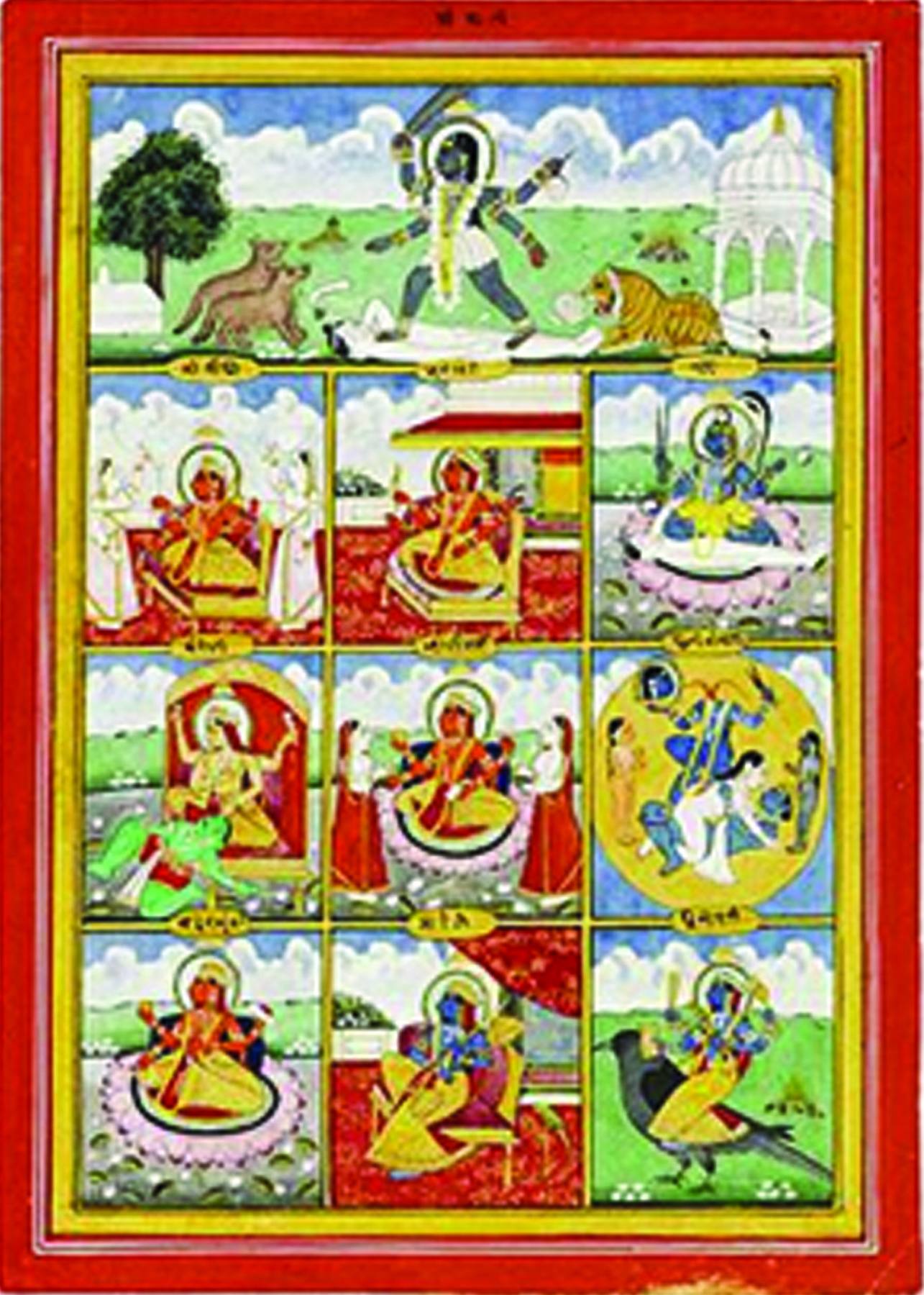 The presence of Dasa Mahavidyas on the Kamakhya hill is unusual in the abundance and variety of images throughout the site. The Kamakhya is an important sakta centre according to many ancient texts, because it is the place where Sati's Yoni fell on the Earth, and hence her Aadi Peetha and strongly associated with Mahavidyas. Stone symbols inside the Kamakhya Temple represent the Tripura Sundari or Sodashi, Matangi and Kamala. The other Mahavidyas are present in their individual temples located around the Kamakhya Temples’ Complex.The central representations of the Mahavidyas in these temples usually are not anthrophomorphic and are sometimes difficult to see at all, as they are covered by flowers, clothing or offering and some of them are located in the underground caves. Kamakhya Temples’ Complex is the only site in the world where temples of all 10 Mahavidyas are located.
Both literary and iconographic materials give the general impression that the ten Mahavidyas are different forms of an overreaching, transcendent female deity, who is usually referred to simply as the Mahadevi. An underlying assumption of many sakta texts is that the highest reality is the Great Goddess, and this infinitely great being manifests herself in a wide variety of forms and each Mahavidya confers a certain type of perfection, blessing, or awareness. The Mahavidyas are approached in a variety of ritual contexts, and the worship of one Mahavidya may differ from that of others.
The different aspects of the Dasa Mahavidya are elaborated in detail in the Kalikapurana, Yogini Tantra, Chandi Tantra. The 10 Mahavidyas of Kamakhya are- Kali, Tara, Tripura Sundari or Sodasi, Buvaneshwari, Bhairavi or Tripura Bhairavi, Chinnamasta, Dhumavati, Bagalamukhi, Matangi, Kamala.
Devi Kali (The 1st Mahavidya)
 As per the sacred scriptures, the first Rupa (form) of the Dasa Mahavidya is Devi Kali. In the Kamakhya Temples’ Complex, the Peetha of Devi Kali is located in the Kali Temple, adjacent to the staired pathway to the Kamakhya Temple.
Among the Mahavidyas, the concept of Kali is perhaps the most mysterious as well as difficult to understand. In Sanskrit the word Kali literally means TIME. Kali is the feminine word for time and its masculine is Kala.
Time is the great womb and hence a feminine quality. Time is birth and death, growth and decay, which is the essence of our existence. Devi Kali teaches us that if we give up our attachment to the events of our lives, we gain mastery over time.
Devi Kali is located in the Heart Chakra (Anahata Chakra) of the subtle body, the seat of the air element or Vayu. Kali relates to the physical heart also, which circulates the life-force, and to the blood itself which carries the life-force.
Astrologically, Devi Kali is the residing deity of the Shani Graha (planet Saturn).
Devi Tara (The 2nd Mahavidya)
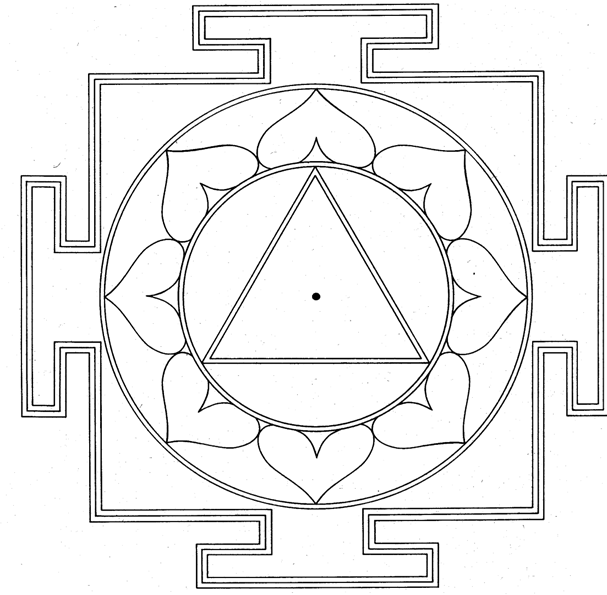 As per the sacred scriptures, the second Rupa (form) of the Dasa Mahavidya is Devi Tara. In the Kamakhya Temples’ Complex, the Peetha of Devi Tara is located in the Tara Temple adjacent to the staired pathway to the Kamakhya Temple.
In both Hindu and Buddhist systems Devi Tara relates to OM. Om is the primal energy (shakti) of sound, the Pranava or the origin of vibration. Tara is Om or the Lord Shiva, the transformative power. Om is Tara or Taraka and the feminine form of Om.
Tara is the most important of mantric knowledge, the epitome of Mantra Shakti. Tara provides poetic and oratory powers to her devotees
Devi Tara has a Rupa (form) known as Ugra Tara, which is Her Terrible form. Another form of Devi Tara is dark blue coloured Nila Sarasvati, the Devi of supreme knowledge.
Devi Tara relates to the Manipura Chakra (Naval Chakra), the Toung and the illuminated stage of Speech. As Om, Devi Tara also relates to the Angya Chakra (Third Eye Chakra/Trinetra).
Astrologically, Devi Tara is the residing deity of the Brihaspati Graha (planet Jupitar).
Devi Tripura Sundari (The 3rd Mahavidya)
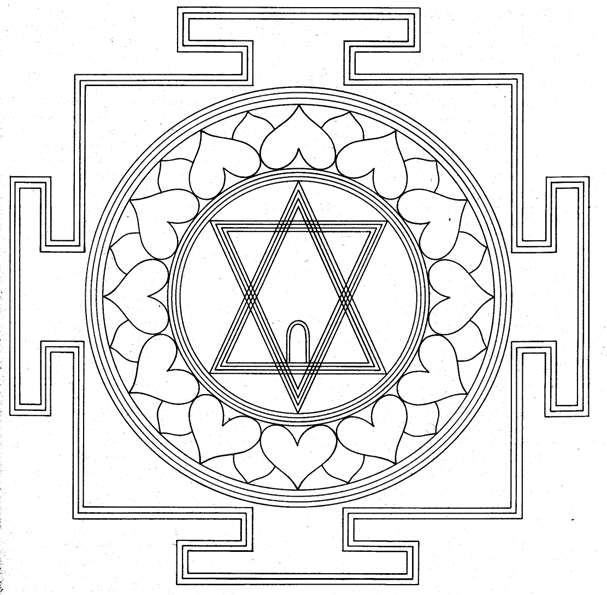 As per the sacred scriptures, the third Rupa (form) of the Dasa Mahavidya is Devi Tripura Sundari. The Peetha of Devi Tripura Sundari is in the garbhagriha (sanctum sanctorum) of the Kamakhya Temple.
Tantra advise us to explore for the source of eternal divine beauty inside the body. Tripura Sundari is the magnificent eternal beauty which cannot be found anywhere in the universe and cannot be contained in any object. Her is the light of our own awareness. The knowledge of Her eternal divine beauty is the springs of infinite delight within us.
Devi Tripura Sundari is the ultimate beauty of pure perception which rises when we visualize the universe inside us and the we see all the nature as a reflection of reality of consciousness. Tripura Sundari is the eternal beauty of nature seen through a spiritual eye. When our mind is permeated with such unlimited awareness it finds a plenary delight in everything and our mind finds the perception of joy. Devi Tripura Sundari is also called Rajrajeswari. Tripura Sundari is often represented as a young girl of sixteen years. In this form she is called 'Devi Shodasi' or 'Devi Bala'.
Devi Tripura Sundari is located in the Shahasra Chakra (Crown Chakra), the abode of the immortal nectar (Amrit).
Astrologically, Devi Kali is the residing deity of the Budh Graha (planet Mercury).
Devi Bhuvaneshwari (The 4th Mahavidya)
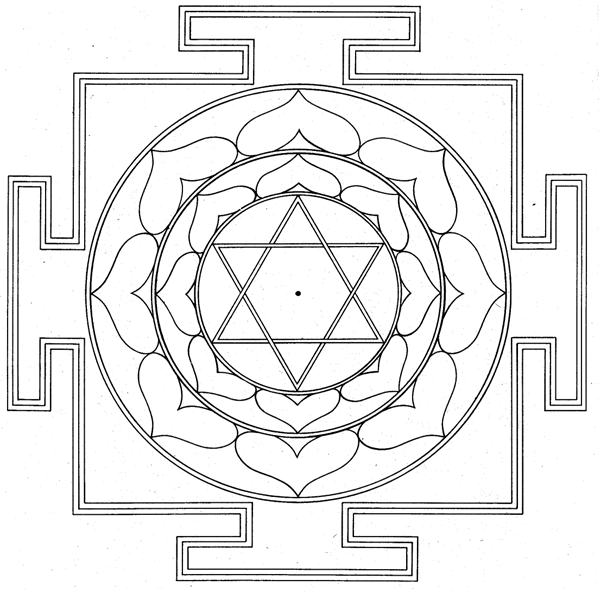 As per the sacred scriptures, the fourth Rupa (form) of the Dasa Mahavidya is Devi Bhuvaneshwari. In the Kamakhya Temples’ Complex, the Peetha of Devi Bhuvaneshwari is located in the Bhuvaneshwari Temple situated at the eastern part of Kamakhya hill (on the highest point of the hill).
Bhuvaneshvari literally means the divine ruler (Ishvari) of the universe (Bhuvana). In the Vedas, Devi Bhuvaneshvari is mentioned as Aditi, the infinite or invisible mother and the cosmic womb, who is space. She is the “Mother of the Sun” and all the Sun Gods who are named after her (Aditya) in the Vedas.
Devi Bhuvaneshvari creates space in her cosmic womb (Hiranya Garbha) in order to give birth to all entities. She creates space within our own consciousness to give birth to the divine nature within us. Space has many levels of manifestation. Devi Bhuvaneshvari represents space. Space is the matrix in which all creatures come into being. She is the field where all things grow. Devi Bhuvaneshvari is called Maya.
Devi Bhuvaneshvari is located at Anahata Chakra (Spiritual Heart Center on the right side of the chest), which is the seat of self-awareness.
Astrologically, Devi Bhuvaneshvari is the residing deity of the Shukra Graha (planet Venus).
Devi Bhairavi (The 5th Mahavidya)
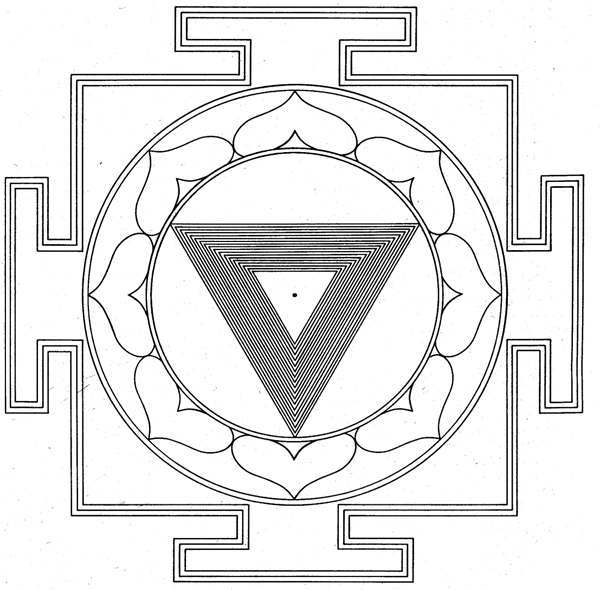 As per the sacred scriptures, the fifth Rupa (form) of the Dasa Mahavidya is Devi Bharavi. In the Kamakhya Temples’ Complex, the Peetha of Devi Bhairavi is located in the Bhairavi Temple situated on the southern side of Kamakhya Temple.
Devi Bhairavi represents the supreme power of speech, which has the nature of fire (Tejas). She is the Word in its unarticulated and primal form as raw energy. She is the supreme light and heat power, the flame of consciousness itself (Cidagni) which is the ultimate knowledge of truth.
Devi Bhairavi dwells at the base of the spine in the Muladhara Chakra (Root Chakra).
Astrologically, Devi Bhairavi is not related to any planet.
Devi Chinnamasta (The 6th Mahavidya)
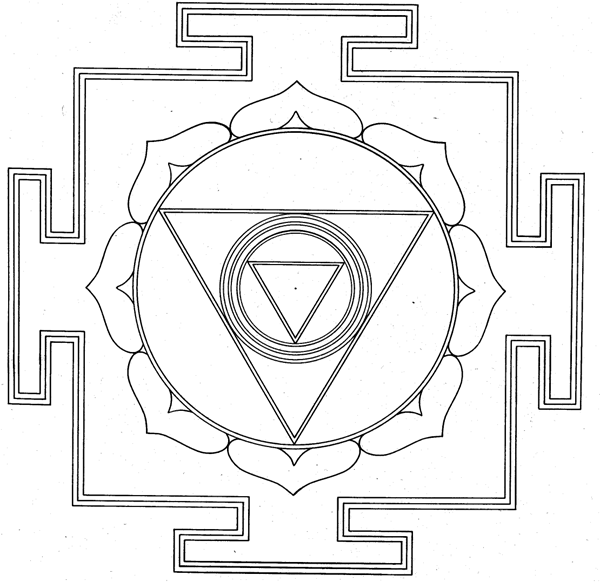 As per the sacred scriptures, the sixth Rupa (form) of the Dasa Mahavidya is Devi Chinnamasta. In the Kamakhya Temples’ Complex, the Peetha of Devi Chinnamasta is located in the Chinnamasta Temple adjacent to the staired pathway to the Kamakhya Temple.
The concept of Devi Chhinnamasta is a Devi with a severed head. She is the Devi who causes us to cut off our own heads or to dissolve our minds into pure awareness and brings transcendence of the mind and represents the non-mind (unmana) state. She make us free from the limitations of the mind so that the pure consciousness our mind realizes its true nature beyond death and sorrow. This sacrifice of mind is symbolized by the cutting off the head.
Devi Chhinnamasta relates to the Angya Chakra (Third Eye Chakra/Trinetra).
Astrologically, Devi Chinnamasta is the residing deity of the Rahu Graha (Dragon’s Head).
Devi Dhumavati (The 7th Mahavidya)
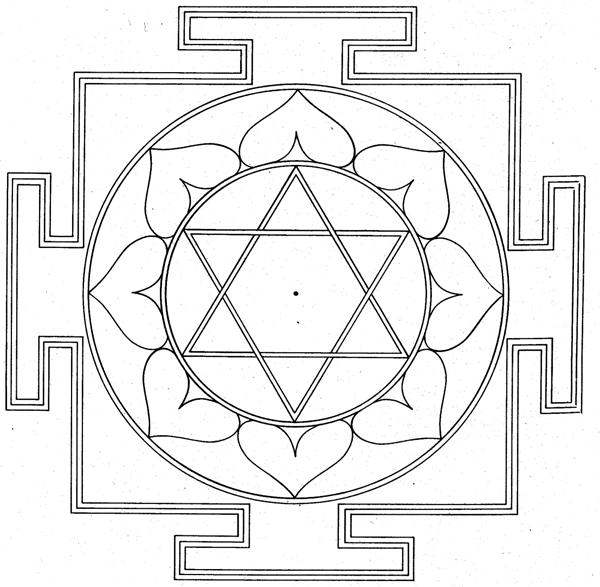 As per the sacred scriptures, the seventh Rupa (form) of the Dasa Mahavidya is Devi Dhumavati. In the Kamakhya Temples’ Complex, the Peetha of Devi Dhumavati is located in the Dhumavati Temple situated on the southern slope of Kamakhya Temple.
Dhuma literally means, "smoke". Her nature obscuration and not illumination. By obscuring the known, Devi Dhumavati reveals the depth of the unknown and unmanifest. Dhumavati obscures the evident in order to reveal the hidden and the profound. Dhumavati is portrayed as a widow. She is the feminine principle devoid of the masculine principle. She is Shakti without Shiva as a pure potential energy. Devi Dhumavati shows the feminine principle of negation in all of its aspects. Dhumavati represents the negative powers of life: disappointment, frustration, humiliation, defeat, loss, sorrow and loneliness.
Devi Dhumavati relates to the heart.
Astrologically, Devi Dhumavati is the residing deity of the Ketu Graha (Dragon’s Tail).
Devi Bagalamukhi (The 8th Mahavidya)
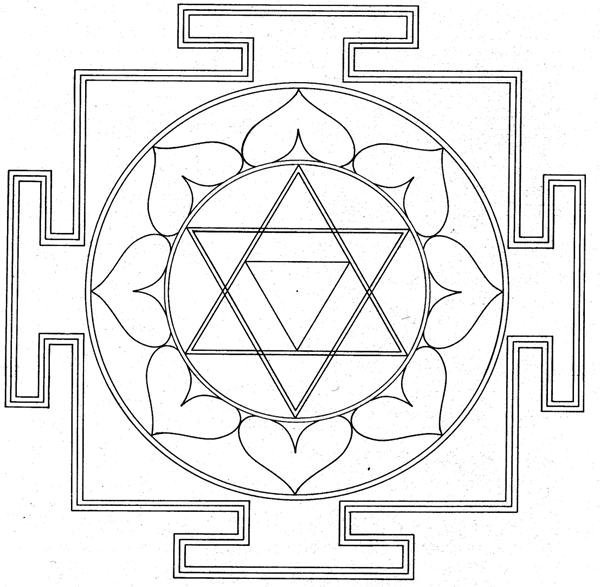 As per the sacred scriptures, the eighth Rupa (form) of the Dasa Mahavidya is Devi Bagalamukhi. In the Kamakhya Temples’ Complex, the Peetha of Devi bagalamukhi is located in the Bagalamukhi Temple situated on the south-eastern side of Kamakhya Temple.
The word Bagalamukhi literally means "rope" or a "bridle" and Mukhi means "face".
As per the sacred scriptures, the eighth Rupa (form) of the Dasa Mahavidya is Devi Bagalamukhi. In the Kamakhya Temples’ Complex, the Peetha of Devi bagalamukhi is located in the Bagalamukhi Temple situated on the south-eastern side of Kamakhya Temple.
The word Bagalamukhi literally means "rope" or a "bridle" and Mukhi means "face".
Devi Bagalamukhi as a Devi of speech, related to Devi Tara and regarded as a form of her. When sound becomes manifest as light, Devi Tara becomes Devi Bagalamukhi. When the brilliant light of speech comes forth, then Devi Tara gains the effulgence of Devi Bagalamukhi and causes all things to become still.
Devi Bagalamukhi grants complete control over our movements and the capacity to stop them at will. Bagala turns each thing into its opposite. She turns speech into silence, knowledge into ignorance, power into impotence, defeat into victory.
Devi Bagalamukhi relates to the soft palate, the place called Indra-yoni, which is the middle point between the senses of eyes, ears, nose and the tongue. The soft-palate is related in function with the Third Eye, and so Devi Bagalamukhi, like Chhinnamasta is associated with the Angya Chakra. Devi Bagalamukhi also relates to Anahata Chakra as the prime site of Prana.
Astrologically, Devi Bagalamukhi is the residing deity of the Mangal Graha (planet Mars).
Devi Matangi (The 9th Mahavidya)
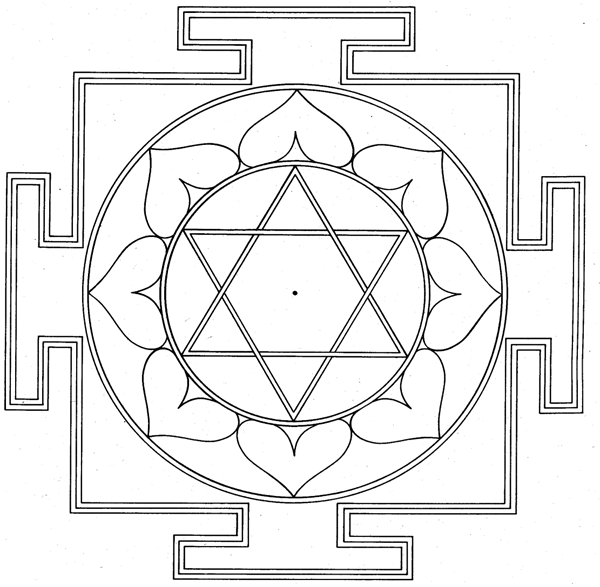 As per the sacred scriptures, the ninth Rupa (form) of the Dasa Mahavidya is Devi Matangi. The Peetha of Devi Matangi is in the garbhagriha (sanctum sanctorum) of the Kamakhya Temple.
Mata literally means "a thought" or "an opinion". Matangi is thus the Goddess power which has entered into thought or the mind. She is the word as the embodiment of thought. She also relates to the ear and our ability to listen, which is the origin of true understanding that forms powerful thoughts. Matangi bestows knowledge, talent and expertise. She is the Goddess of the spoken word and any outward articulation of inner knowledge, including all forms of art, music and dance.
Devi Matangi is also known as Devi Saraswati.
Devi Matangi resides in the Visuddha Chakra (the centre of speech). She also resides on the tip of the Tongue, the place wherein speech is articulated.
Astrologically, Devi Bagalamukhi is the residing deity of the Ravi Graha (planet Sun).
Devi Kamala (The 10th Mahavidya)
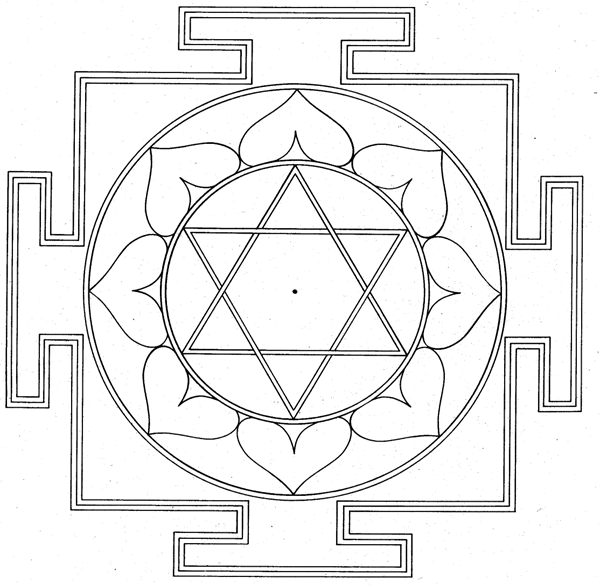 As per the sacred scriptures, the tenth Rupa (form) of the Dasa Mahavidya is Devi Kalama. The Peetha of Devi Kamala is in the garbhagriha (sanctum sanctorum) of the Kamakhya Temple. Devi Kamala relates to the beauty of perception whereby we see the Divine quality in each thing.
Devi Kamala in Sanskrit means Lotus, the most sacred flower. Lotus is a symbol of enfoldment and represents the lotus of the heart. Devi Kamala is one whose nature is of the Lotus.
Devi Kamala is the most worshipped Devi people in this world. As we are mainly cognizant of outer beauty and abundance, most of us are engaged in pursuit of pleasure, fortune, talent, fame and so on, which are nothing but superficial or limited aspects of the power of Devi Kamala.
Kamala is located in the Anahata Chakra (Spiritual Heart Center).
Astrologically, Devi Bagalamukhi is the residing deity of the Chandrama Graha (Moon).
As The Dasa Mahavidyas constitute a complete system of knowledge, generally the Devis fall into two groups of five:
The first group of five Mahavidyas represent the prime principles of existence.
The system of Puja, Ritual, Festivals, Ceremonies are exclusive to the Kamakhya Temples’ Complex. This system and tradition of worship and rituals has evolved out of the scholarship and practice of the Shebaits and cannot be found anywhere else. The essence of the system and tradition of Kamakhya is its practical approach and rhythmic style of the Puja, Rituals, Festivals, Ceremonies are based on and dominated by the principles of Kulacara Tantra Marga (a tradition within the Vamacara Tantra Marga).
The rituals and festivals celebrated at the Kamakhya Temples’ Complex are distinctive, unique and are the result of hundreds of years of socio-cultural and religious evolution, assimilation and syncretism. The current tradition, with the systems of homa (oblations), puja (worship), kriya (rituals), bali (sacrifice), and association of natural elements represents a complex negotiation between orthodox and heterodox systems and the practices are held in balance by the Shevait Priests of the Kamakhya Temples’ Complex.
There are no written documents on the mantra, procedures and techniques of the Puja and Rituals, and an initiated Shebait Priest has to learn the same only from his seniors or Guru orally. Moreover, if a Shebait is not initiated from the Guru of the Kulacara Tantra Marga of Kamakhya, he or they will not be allowed to ritualistically participate in the Puja and Rituals.
The process of assimilation and training of a newly initiated Shebait remain within the group of initiated Shebaits and hence the religious, ceremonial and ritualistic system, procedure and tradition of the Kamakhya Temples’ Complex always remain as a closely guarded secret.
All the deities of the are linked ritualistically. No puja and rituals of particular deity is complete with making offering to other deities. For example, during the daily and special worship all the deities of the Kamakhya Temples’ Complex are also worshipped in specific ways which is mentioned in the Kalikapurana and Yogini Tantra.
The Kamakhya System is an isolated sphere within the broader aspect of the society of Assam or at large India and the intricate and unique elements of the system have been kept closely guarded secret within the sphere by the Sebaits till date. The network of temples and its religious tradition, the Kulacara Tantra Marga, the Sebaits, the ethnographic elements (devotional songs, hymens, etc.), the rhythmic and lyrical religio-social environment of Kamakhya and the system of managing both non-secular and secular affairs of the Kamakhya is like a Spiders Web within the sphere which has remained impenetrable till date.
The Puja and Rituals performed at the Kamakhya Temples’ Complex can be placed under the following categories: Nitya Puja (Daily Worship’): Nitya Puja is the regular worship, puja, ritual of the temples, performed from the side of the temple management. Atypical schedule of the Nitya Puja is given bellow-
Naimittika Pujas (Special Worship): Naimittika Puja is performed on special festival days like Sharadiya Durga Puja, Pohan Bia, Ratanti Kali Puja, Vasanti Puja, Ambubachi, Durgadeul, Madandeul from the side of the temple management.
Kamya Puja (Purposeful Worship’): Kamya Puja is not performed by the temple management, it is offered by the visiting devotees for their wellbeing.
The ritualistic, socio-religious and socio-cultural structure of the Kamakhya Temples' Complex represents a system unlike anywhere else in India or the world. Puja, Rituals and some of the Festivals, Ceremonies performed in the temple and/or in the home of the Shebait are restricted to the Shebait Priests and the other socio-religious Festivals, Ceremonies are performed by the Shebait families. In addition to the daily rituals, the Kamakhya Temple Complex celebrates a number of pujas, rituals, festivals, ceremonies which have a unique and distinctive character. Some of these include:
Raja-Rajeshwari Puja
Raja-Rajeshwari Puja holds special importance for the initiated practitioners of the Kulacara Tantra Marga of Kamakhya and celebrated during the Chaitra Navaratra (spring Navaratra) for fifteen days. The Raja-Rajeshwari Puja starts on the day of Chaitra Amavashya with the Puja of Ganesha and ritualistic installation of the Ghata (sacred pitcher) for the Devi Maha Tripura Sundari. From the Chaitra Pratipada Tithi, in the following days till Chaitra Purnima Maha Tripura Sundari is worshipped in her different manifestations like Kameshwari, Bhagamalini, Kinnari, Bherunda, Vahnivasini, Bajreshwari, Shivaduti, Sarvamangala, Jwalamalini and Vichitra offering sacrifice. Chakra Puja is performed on each night of these 15 days. In the midnight of Purnima (15th day) the Ghata of the Devi is taken in a procession around the temples’ complex and the Kamakhya Temple by the initiates, and finally ritualistic Visharjana (immersion) of the Ghata is performed in the sacred Saubhagya Kunda (located inside Kamakhya Temple campus).
Kumaripuja
Kumaripuja (worship of virgin girls) is celebrated primarily at Kamakhya and in Nepal. Kumaripuja is intrinsically connected to the religious system to the Kamakhya Temple’s Complex and performed with a unique style and process. It is performed in the individual or group level, according to the prescription of the Naimittika Puja performed in the temples of Kamakhya or desire of the devotee. While performed by the devotees, the Kumaripuja is performed by the devotee himself or herself, with the guidance and assistance of a Shebait Priest.
According to local history, Kumaripuja became an inseparable part of the tradition of Kamakhya from the time of Koch King Naranarayana, who renovated (or re-built) the Kamakhya temple in 1565 CE and started pujas of all the deities of the Kamakhya Temple’s Complex according to the Kulachara Tantra Marga. The Kumaripuja is associated with all the major festivals, pujas, and rituals of the Kamakhya Temple’s Complex. For devotees in general, this ritual is performed regularly as per their personal preference irrespective of any particular or auspicious day.
Ambubaci
Ambubachi is the most important ritualistic festival of Kamakhya. This festival celebrates the annual menstruation of the Devi Kamakhya during the onset of monsoon, typically during June 21/22 to 25/26. The temples remain closed for three days, and on the fourth day reopens with great fanfare. Over 10,00,000 devotees from around the world attend the festival.
A prevalent belief connected with the celebration of Ambubachi is that the pieces of red cloth used in the Devi Peetha during the three days period are greatly beneficial and auspicious for a devotee. Hence, receipt of a piece of red cloth used in the Devi Peetha is definitely considered to be of great value by the devotees. The process of distribution of a piece of this red cloth as Raktavastra takes place, after Ambubachi to the visiting pilgrims.
Millions of pilgrims from all over the world visits Kamakhya to attend the festival. As the temple remain closed for three days, this period is observed as 'Mela' (fair) outside the temple. During these three days the entire Kamakhya Temples’ Complex comes alive with 'Kirtan' and 'Bhajan' round the clock. When the door is opened on the fourth day, thousands of devotees throng for 'Darshan' and to get blessings of the Devine Mother.
Manasa Puja and Debadhanni
Celebrated during the August 17-20, Manasa Puja or worship of the Snake Goddess and Debaddhani is one of the most interesting ritualistic festivals of Kamakhya. Elaborate Puja is offered to Devi Manasa during the three days of the festival. The focus of this festival is the ritualistic dance of ecstasy performed by the Debadhannis, men possessed by the different deities of the Kamakhya Temples’ Complex who become vehicles of the deities.
The term Debaddhani has been derived from Sanskrit word deva, meaning God or deity, and dhvani, meaning sound, echo. This popular term literally means the echo or utterings of deity, but its local connotation is much wider. It conveys the idea of conceptually ritualistic dance of ecstasy of the vehicles of deities who possess their favorite persons.
The Debaddhanis dance in a state of trance possession for three days with minimal rest, performing incredible feats such as dancing with bare feet on the sharpened blades of swords. Thousands of devotees attend for a chance to have a glimpse and blessings of the living vehicles of the deities.
Pohan Biya (Punshavana)
In Puhan Biya, the symbolic marriage ceremony is performed between Kameshwara and Kameshwari at Kamakhya on the 2nd/3rd day of the bright half of Pausha (December-January). On the previous day of the marriage, the idol of Kameshwara is taken out from the Chalata hall of the Kamakhya Temple to the temple of Kameshwara Shiva and some pre-marriage rituals are performed during the process and then Kameshwara rests for the night. On the day of the marriage, the idol of Kameshwari is taken to the Panch Ratna hall from the Chalanta hall of Kamakhya Temple and followed by this Kameshwara as a bridegroom reaches the Pancha Ratna hall of the Kamakhya Temple with ritualistic fun-fair alike humans. In the Panch Ratna hall, the marriage ceremony of Kameshwara and Kameshwari is performed according to the prevailing customs of Kamakhya. The Shebait Priest, Balikata, Bharali performs the role of the father, mother and brother of Kameshwari respectively.
Durga Puja
Although the autumn celebration of Durga Puja and Navaratri are pan-Indian festivals, Sharadiya Durga Puja is celebrated in a unique way at the Kamakhya Temples’ Complex. No Murtis (idols) worshipped at Kamakhya, instead the Peetha and the temple of the Devi Kamakhya is lavishly decorated.
Sharadiya Durga Puja is performed for 15 (Fifteen) days in a stretch at Kamakhya starting from the Navami of the dark half till the Navami of the bright half of Moon of the Month of Ashwina. During the period, Puja of Devi Durga is performed, the Chandi (Durga Saptasati) is recited, and a special Kumaripuja (worship of virgin girls) is performed each day.
Krishna Deul / Gopal Deul (Phakua or Holi)
Lord Krishna is worshipped as Lord Gopala on the previous day of Phalguna Purnima (March) in his temple at Kamakhya. After the Puja is completed, the Shebaits of Kamakhya play Holi with colour or phakua by singing devotional folk songs (specific to Kamakhya) and after the Bhoga (cooked offerings) is offered in the Kamakhya Temple, Lord Gopala is toured in a procession around the Kamakhya Temple in a Dola or Palki. When the Dola or Palkin (Sway) is taken around the Kamakhya Temple the Shebaits joining in the procession sings Holi songs and women & children of the Shebaits offer colour or phakua to the touring Lord Gopala. On the next day, i.e. the day of Phalguna Purnima, the same feat of activities of the previous day is observed.
Durga Deul
Durga Deul is observed from Dwitiya (2nd day) to Panchami (5th day) of the bright half month of Phalguna (February-March) at Kamakhya. During the period, Devi Kameshwari is placed on a Dola or Palkin (Sway) and special Meshdah Puja & Rituals is performed on Dwitiya (2nd day) and Dolan Puja in performed on the subsequent days till Panchami (5th day) in the Chalanta hall of Kamakhya Temple. On the sixth day Devi Kameshwari is taken for Bhramana on the Dola or Palkin (Sway) in a procession around the Kamakhya Temple. Shebaits and devotees participating in the Bhranama play with colour by singing devotional folk songs (specific to Kamakhya).
Madan Deul
Madan Deul is also called the Kama Deul. This deul is observed the from the 13th day till the Full Moon in the month of Chaitra (March-April). Special Puja is offered to Kameshwara in the form of Kamadeva. On the Full Moon Day after performing special Puja & Rituals, Devi Kameshwari is taken for Bhramana on the Dola or Palkin (Sway) in a procession around the Kamakhya Temple. Shebaits and devotees participating in the Bhranama play with colour (carried in the bag made of skin of the he-goat sacrificed on the occasion called Matak) with the idol as well as amongst themselves by singing devotional folk songs (specific to Kamakhya)
Vasanti Puja
Vasanti Puja is performed during the Chaitra Navaratra (March-April). This Puja is performed in the Peetha of Devi Kamakhya from Saptami (7th day) till Navami (9th day) of the bright half of the month of Chaitra (March-April). On Navami (9th day), special Puja is held in all the Devi Temples of the Kamakhya Temples’ Complex.
Ratanti Kali Puja
Special Puja & Rituals are performed for Devi Kali in the Kamakhya Temple and Kali Temple in the Kamakhya Temples’ Complex on the Amavashya (New Moon day) of the month of Margashirsha (January-February).
Shravana (Dakshinayana) Sangkranti Kali Puja
An elaborate Puja & Rituals for Devi Dakshina Kali is performed from the evening at around 7:00 PM till very late night (2:30-3:00 AM) in the Kali Temple of the Kamakhya Temples’ Complex.
Phalahari Kali Puja
On the Amavashya (New Moon day) of the month of Jaistha (May-June), Phalaharini Kali Puja is performed at the Kamakhya Temples’ Complex.
Shyama Kali Puja
Elaborate Puja & Rituals are performed for Devi Shyama Kali on the Amavashya (New Moon day) of the month of Kartika (October-November) in the Kamakhya Temple and Kali Temple of the Kamakhya Temples’ Complex.
Lakshmi Puja
Lakshmi Puja is performed at the Kamakhya Temples’ Complex on the Purnima (Full Moon day) of the month of Ashwina (September-October).
Saraswati Puja
This Puja is performed at the Kamakhya Temples’ Complex on Shukla Panchami (5th day of bright half) of the month of Margashirsha (January-February).
Sri Krishna Janmastami
Janmastami is celebrated in the Kamakhya Temples’ Complex on the 8th day of the dark-half of the month of Bhadrapada (August-September). Elaborate Puja & Rituals are offered to Sri Krishna in the evening and a host of earthen lamps are kept burning throughout the night. During the Puja, female members of the Shebait family sign devotional songs in praise of Sri Krishna.
Katyayani Vrata or Charai Vrata
Katyayani Vrata is observed for three days starting from Aghrayana Chaturdasi (14th day of dark-half of the month of Aghrayana, i.e. November-December) to Aghrayana Pratipada (1st day of the bright half of the month of Aghrayana, i.e. November-December). The Vrata starts on the day of Aghrayana Chaturdasi and the primary rituals are performed on day of Aghrayana Purnima (Full Moon day of the month of Aghrayana, i.e. November-December) and it ends on the Aghrayana Pratipada.
This Vrata in actuality is a Puja & Ritual exclusively performed by the female members of the Shebait families of Kamakhya of the Kamakhya Temples’ Complex to worship Devi Katyayani or Devi Durga. The main Puja & Rituals of the Katyayani Vrata is observed on the day of Aghrayana Purnima.
Mythologically, Devi Katyayani means Devi Durga and in this Vrata Devi Durga is worshipped in her sixth Rupas (forms) as Devi Katyayani. The Katyayani Vrata is also known as Chorai Vrata as golden coloured clay bird in small sizes are made to decorate the alter of the Devi Katyayani. As per the oral history goes the origin of Katyayani Vrata, the people of Kamakhya believe that the Vrata was first observed by Radha and her companions in Braja Dhama. According to the legend of this oral history, when Radha and her companions were bathing in a Sarovara (lake) they observed this Vrata for to get back their clothes which were stolen by the playful Sri Krishna. This legend of Katyayani can also be found in the Brahmabaivarta Purana.
The women of Kamakhya also believe that Radha observed Katyayani Vrata to get Sri Krishna as her husband. In the Puja & Rituals performed in the Katyayani Vrata, Puja is also to offered to Devi Saraswati, Devi Kamakhya and Devi Lakshmi. During the courses of the Katyayani Vrata the participating women also offer a traditional Puja to the Moon.
In Katyayani Vrata only the female members of the Shebait families of Kamakhya can participate irrespective of their marital status, but a widow or girls below five years in age are not allowed to participate. In Kamakhya a girl bellow the age of five years are regarded as the Devi itself. The women of Nilachala hills observe the Katyayani Vrata to fulfill their own desire, like getting a suitable groom by the unmarried, wishing peace and prosperity for their husband, brother, etc.
Deul Vrata or Deul Puja
This Vrata is observed by the virgin girls of the Shebait families of the Kamkhya Temples’ Complex for one month from Margashirsha Sankranti (mid January) to Phalguna Sangkranti (mid February). To observe this Vrata, the virgin girls prepare two pairs of earthen Shivalinga, called BATS locally. During the entire month the girls get up before sun rise and collect various flowers and goes to Saubhagya Kunda of Kamkhya with the Shivalingas. The girls bath the Shivalingas in the Saubhagya Kunda and offer the flowers by singing devotional songs specific to the Kamakhya Temples’ Complex. After worshipping the Shivalingas, the virgin girls also worship Shaoubhagya Kunda by offering flowers.
Manantara Vrata
This is a women centric ritual of Kamakhya. The girls above five years and non-widowed members of the Shebait families of the Kamakhya Temples’ Complex observes Manantara Vrata if Amavashya (New Moon day) falls on a Monday in any month of the year. The women members initiated in the Kulachara Tantra Marga of Kamakhya takes leading part in the Puja & Rituals of this Vrata. Performed secretly in isolation, the Puja, Rituals and other activities of this Vrata are not disclosed.
Satha Vrata
Satha Vrata in actuality is a Puja & Ritual exclusively performed by the female members of the Shebait families of Kamakhya of the Kamakhya Temples’ Complex. Satha Vrata starts from Krishna Dashami day of the month of Ashara, 3 days prior to Mithuna Sangkranti and 10 days prior to the onset of Ambubachi, i.e. 7th Ashara. Satha Vrata is observed for 7 days.
| Name of the Puja, Ritual and Festival | Tithi/Date & Month of Assamese Calendar | Month English Calendar |
|---|---|---|
| Bohag Bihu and Halkhata | 1st Vaishakha | April |
| Puja of Gramya Devata | Amavashya of Jaistha | May-June |
| Phalaharini Kali Puja | Amavashya of Jaistha | May-June |
| Satha Vrata | Krishna Dashami of Aashara | June |
| Ambubachi | 7th to 10th day of Ashara | June 21/22 to 25/26 |
| Dakshinayana (Shravana) Sangkranti and Puja of Devi Dakshina Kali | 32nd Aahaar | July |
| Puja of Devi Manasa and Debaddhani | 31st Shravana to 2nd Bhadrapada | August 17/18 to 19/20 |
| Lalita Saptami or Puja of Devi Lalitakanta | Shukla Saptami of Bhadrapada | August-September |
| Puja of Devi Joya Durga | Shukla Navami or Shukla Trayodashi of Bhadrapada | August-September |
| Sri Krishna Janmastami | Srishna Astami of Bhadrapada | August-September |
| Pokhiya Durga Puja | Krishna Navami of Ashwina to Krisha Navami of Kartika | September-October |
| Puja of Devi Lakshmi | Purnima of Kartika | October |
| Puja of Devi Shyama Kali | Amavashya of Kartika | October-November |
| Katyayani Vrata | Chaturdashi to Pratipada of Kartika | October-November |
| Pohan Biya (Marriage ceremony of Devi Kamakhya) | Shukla Dwitiya and Shukla Tritiya of Powsha | December-January |
| Ratanti Kali Puja | Amavashya of Margashirsha | January |
| Deul Vrata or Deul Puja | Margashirsha Sankranti (mid January) to Phalguna Sangkranti (mid February) | January-February |
| Ganesha Puja | Shukla Chaturthi of Margashirsha | January-February |
| Puja of Devi Saraswati | Shukla Panchami of Margashirsha | January-February |
| Maha Shivratri | Krishna Chaturdashi of Phalguna | February-March |
| Gopal Doul (Phakuwa or Holi) | Purnima of Chaitra | March |
| Durga Doul | Shukla Tritiya to Shukla Panchami of Chaitra | March-April |
| Madan Deul | Shukla Trayodashi to Purnima of Chaitra | March-April |
| Basanti Puja | Shukla Saptami to Shukla Navami of Chaitra | March-April |
| Raja-Rajeshwari Puja | Starts on Amavashya of Chaitra and ends on Purnima of Chaitra or sometime Vaishakha | March-April |
Facts You Should Know Before Visiting Kamakhya Temple
There are lot of misleading information, rumors, fictious stories, manufactured facts floating around the internet and social media about Kamakhya Temple, and these are,
Travel Guidelines for Devotees Visiting Kamakhya
Kamakhya, an interconnected network of Mahavidyas and other deity temples often collectively referred as Kamakhya Temples’ Complex is located in Guwahati, Assam, India (26.166426°N / 91.705509°E).
Kamakhya Temple can be easily reached by Railway, Flight and surface transport.
The nearest railway station is Kamakhya station is in a distance is 8.6 km the Guwahati station is in a distance of 8 km from the Kamakhya Temple.
The LNGB International Airport is located in a distance of 20 km from the Kamakhya Temple.
The distance of Kamakhya Temple from Inter-State Bus Terminus (ISBT) is 16.5 km.